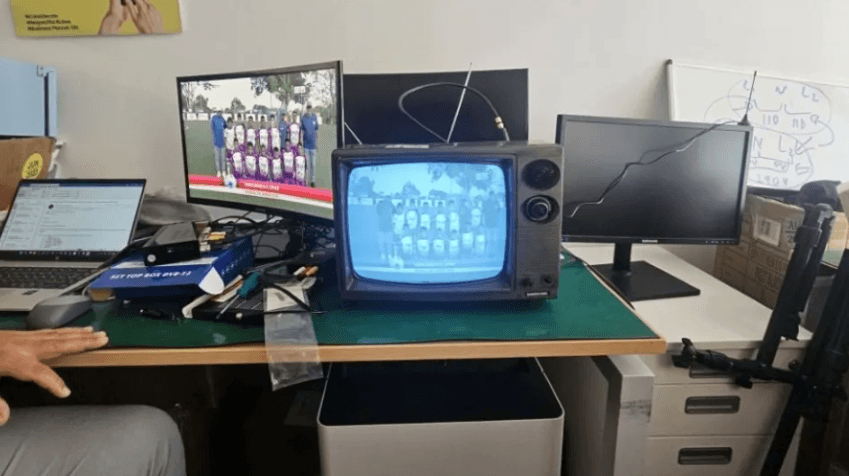
A Guatemalan family has received a new flatscreen LCD TV from Samsung Electronics after shocking the company when it tried to trade-in a still functioning, 39-year-old, Samsung-branded CRT model that was purchased way back in the 1980s.
As TechRadar reported, the Morales family bought their venerable CRT TV back in 1987. The TV proved to be incredibly durable, and only began to deteriorate after almost four decades of faithful use, prompting the family to finally make the decision to upgrade.
Rather than pay the entire upfront cost of a new TV, the Morales family decided to take advantage of Samsung’s eco-friendly trade-in program, which allows customers to exchange their old TV in return for a discount on a newer model, including OLED, QLED and Neo QLED televisions. As part of the program, Samsung will scrap the old TVs carefully, recycling whatever parts it can, to ensure there’s no negative environmental impact from their disposal.
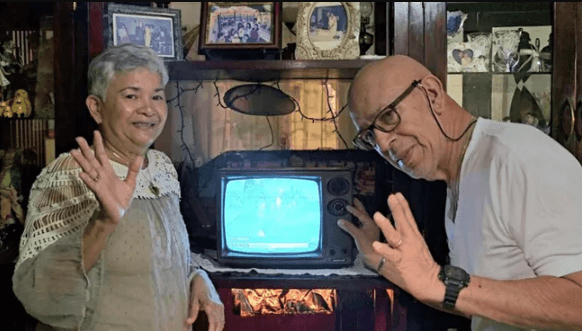
Ann Morales, the family matriarch, told local media that her family only traded in the old TV reluctantly, when the picture quality was beginning to fail. "We watched the Berlin Wall fall on this TV,” she said. "We used it hard, from the morning news to the movies at night, and it always turned on. It was a real workhorse.”
For TVs to qualify for the trade-in program, they must still be capable of powering on and displaying a picture, which explains why Samsung was stunned to see such an ancient model being returned. The family took it to a local Samsung TV store, which sent it to the company’s regional headquarters in Panama. Upon receiving it, Samsung’s senior engineers quickly realized that their bosses in South Korea might be impressed by the story and want to use it as a museum piece.
These days, it’s unlikely that any new TV would be able to enjoy a 39-year lifespan. CRT TVs were renowned for their longevity because most of their components are analog, they have superior heat management and they're just much simpler compared to today’s digital models. The complexity of modern OLED and LCD models is why TV repair shops have essentially become a relic of the past.
According to Micro Center, it’s estimated that most modern TVs will last for around seven years on average, with some surviving just over a decade at best, if you’re lucky and don’t switch it on all of the time. The LED backlights can fizzle out in just five years if they’re used frequently, and many TV brands neglect to provide software updates or support the newest picture formats, which only encourages people to upgrade sooner.
These realities mean that most people are unlikely to have the same kind of emotional tie to their TV that Mrs. Morales had for hers. She said she couldn’t bring herself to throw it away due to all of the memories she associates with it. “Every time I saw it, I remembered my early working years and the joy my children felt,” she said. “It saddened me to think its life would end in a landfill.”
Fortunately, Samsung was so impressed by her devotion and care and the TV’s own refusal to die, that it decided to rejuvenate it and put it on display. The company promptly shipped it to South Korea, where initially not even its most talented technicians had any clue how to restore it to its former 1980s glory. They had to go rumbling through the company’s archives to dig out some decades-old manuals to find out what needed to be done.
Finally, they figured out a way, and the TV’s image is now as clear as it was on the day it was first purchased by Mrs. Morales. It has since taken its place as one of the main exhibits at the museum within Samsung’s global corporate headquarters in Suwon, Korea.
Samsung isn’t the only one that’s still interested in old CRT TVs. As the BBC reported last year, a growing number of TV enthusiasts around the world have taken up the hobby of hunting down old CRT sets and restoring them. Surprisingly, this trend isn’t driven by a sense of nostalgia alone, but also for practical reasons. They’re especially valued by fans of old video games consoles, such as the original Sega and Nintendo Master System, due to their ability to perfectly render the original graphics.
