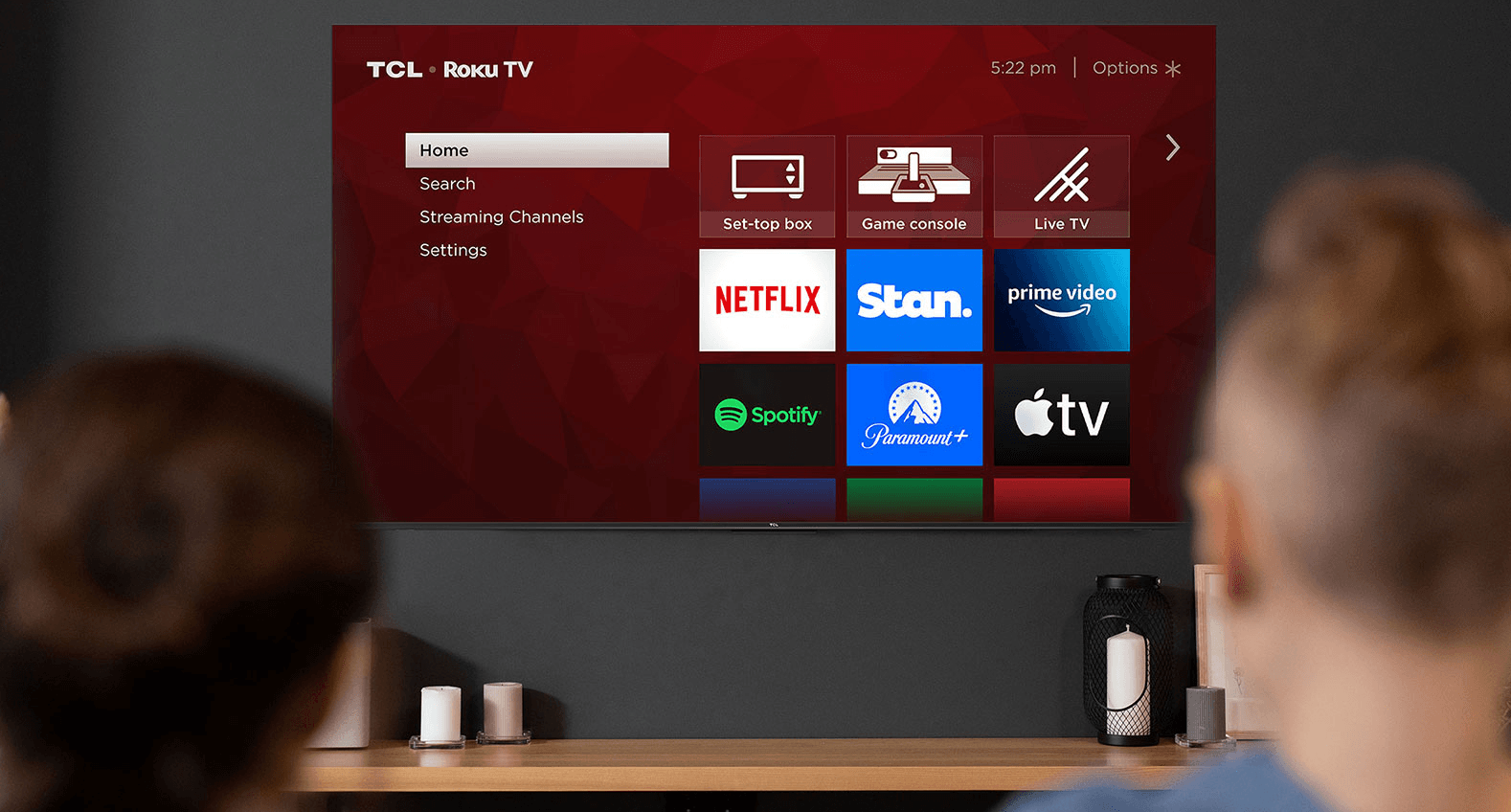
A U.S. lawsuit has been filed accusing Roku and TCL of selling televisions with “defective” software that allegedly renders them unusable after a certain period of time, in a strategy intended to encourage consumers to purchase a replacement.
The class action lawsuit was filed in a California court by plaintiff Terri Else, and notes that Roku’s operating system software comes installed with low-cost TCL models sold in the U.S. It argues that the faulty software makes the TVs almost unwatchable, and further alleges that other Roku TVs are affected too.
According to Else, Roku’s software updates made the TV he purchased basically unusable. He claims that the TV was essentially “bricked,” left showing only a black screen with no way to fix it. He points out further problems, such as the TV restarting over and over, and the screen constantly flashing on and off, or else freezing.
The lawsuit names Roku Inc. and TTE Technology Inc., which trades as TCL North America, as the defendants.
"Roku's software updates are repetitively defective, materially impairing the functionality of Roku Products, rendering many consumers' televisions either entirely unusable ("bricked"), blacked out, or otherwise substantially degraded in terms of device performance,” the lawsuit alleges.
The plaintiff further states that the companies failed to implement a solution to the problems introduced by the software updates. According to the complaint, Roku has a tendency to “cut corners,” and never bothers to check that its software updates are free of defects, “both in testing stages and at scale, failing to take appropriate remediative and corrective action once a defective software update is released".
The lawsuit names the Roku Select, Roku Plus and the TCL 3/4/5/6 series TVs as being intentionally bricked by the companies.
To back up these claims, the plaintiff directs the judge to consider Roku’s official community forums, which reveal a number of common issues and responses that amount to “often unsuccessful self-guided troubleshooting instructions.”
According to the plaintiff, the companies’ failure to take action to fix the problems they’ve introduced is a breach of California's Unfair Competition Law and Consumers Legal Remedies Act, as well as the terms of their warranties. He demands a jury trial and requests both declaratory and injunctive relief, as well as damages for anyone who signs up to the class action.
Such legal action is not without precedent. Last month, a similar case emerged in which Amazon was accused of bricking its older Fire TV streaming sticks in order to force consumers to upgrade. The complainant in that case alleged that Amazon would progressively make its products more and more unusable with each new software update, and then effectively abandoning them by refusing to provide any more updates after 2022, despite promising to do so until 2024. Amazon denies the allegations.
Earlier this week, Apple settled a class action lawsuit in California, in which it was accused of misleading iPhone buyers about its AI capabilities and features. Rather than go to trial, the iPhone maker agreed to pay affected customers $95 in compensation, or about £70, though it did not admit any guilt or wrongdoing.
For now, Roku is refusing to admit it’s at fault, telling media via a spokesperson that the plaintiff’s claims are “meritless.” However, it’s still early days and we would not be surprised to see the company settle if it turns out there is merit to the allegations.
