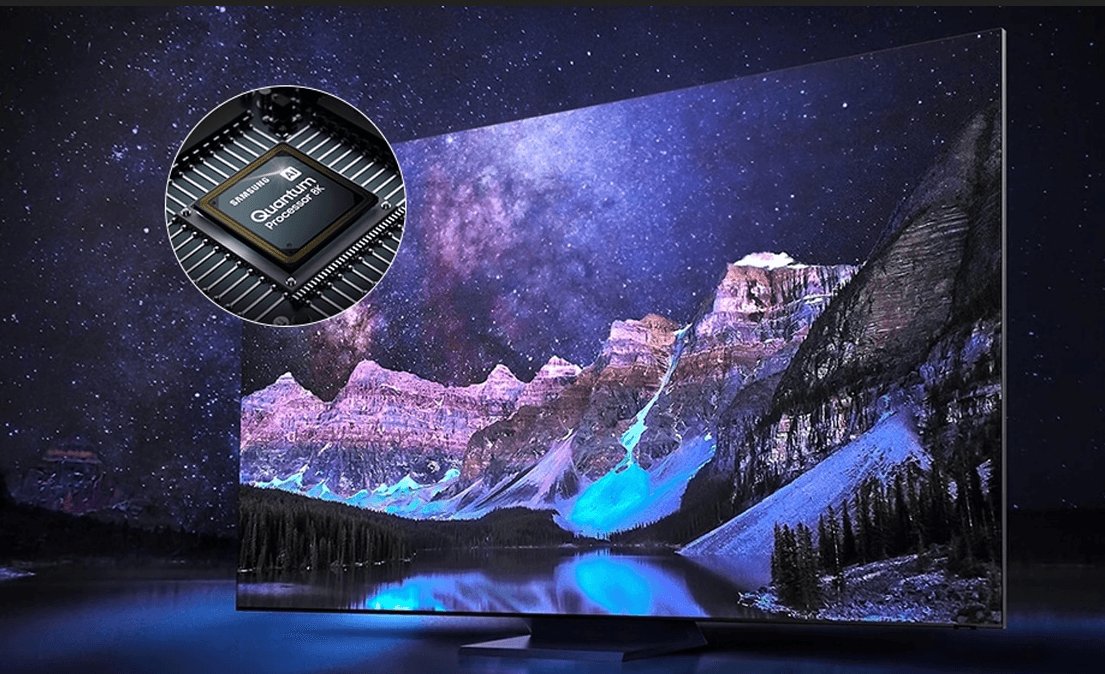
Artificial intelligence continues to wreak havoc on the technology industry, with all of the massive global data center buildouts driving up the cost of critical components – not just memory, but also the processors, motherboards and everything else that goes into modern gadgets.
The TV industry has managed to resist what’s happened so far, and prices of TVs have stayed more or less the same until now, despite the cost of most other electronics devices, including set-top boxes like the Nvidia Shield TV Pro, streaming devices, smartphones and tablets all going up.
But that’s likely to change soon, according to a report by Omdia that comes by way of DigiTimes. The research firm says that the price of semiconductors has risen so much over the last year that for the first time, it’s no longer the display panel that’s the most expensive thing that goes into many TVs. Or at least, not for TVs in the lower price ranges.
For now, the chips are only really more expensive than the panel in the smallest LCD TVs, such as 32-inch and 40-inch models with Full HD resolution. OLED TVs have much more advanced and therefore pricier panels, and they cost a lot more. But with no sign of component cost increases slowing down, it may not always stay that way.
Chip price increases have been substantial. And there’s quite a few different chips used in the average TV. For instance, every TV uses a standard central processing unit or a system-on-chip for the actual processing, and these used to account for around 10% of the cost of the average small television back in the first half of 2025, Omdia said. But fast-forward to the third quarter of this year, and the processor now accounts for between 45% and 50% of the total cost.
TVs also come with memory chips, and they’re a lot more expensive too. According to Omdia, the average dynamic random-access memory unit cost $25 in August, up almost 4.5-times from a year earlier. NAND flash memory chips, another TV component, now cost $30.50 on average, up nine-times compared to last year’s price.
There are also Wi-Fi modules in many TVs, and these used to cost just $33.90 in early 2025. Now, the price is up to $118.20, Omdia says. That means the Wi-Fi chip is actually more expensive than the cheapest 55-inch 4K LCD panels on the market, which can be had for $116, and very close to the cost of the average 55-inch 4K LCD panel, which currently costs $123.
Television manufacturers have so far resisted hiking the prices of their products because they’re less dependent on making profits from the actual hardware sales these days. Thanks to the proliferation of ads, most TV brands now accumulate recurring revenue from any TV they sell, and these profits can be considerably more over the long run, especially in the case of lower-priced models.
But it remains to be seen how long TV makers can keep absorbing these rising costs. The component crunch is not expected to go away any time soon as big technology firms continue to invest hundreds of billions of dollars in AI. Prices of memory and other essentials are forecast to keep rising through 2027.
With Roku, Amazon, Google and others all increasing the prices of their streaming hardware, despite also relying on the ad model for recurring revenue, it seems like it’s only a matter of time before TV makers follow suit. You can bet your bottom dollar that as soon as one or two notable brands up their prices, their rivals will probably do the same.
As such, if you’ve been thinking about replacing your living room TV, we can only advise you to bite the bullet soon, because there could be quite a big increase in prices in the not-too-distant future.
