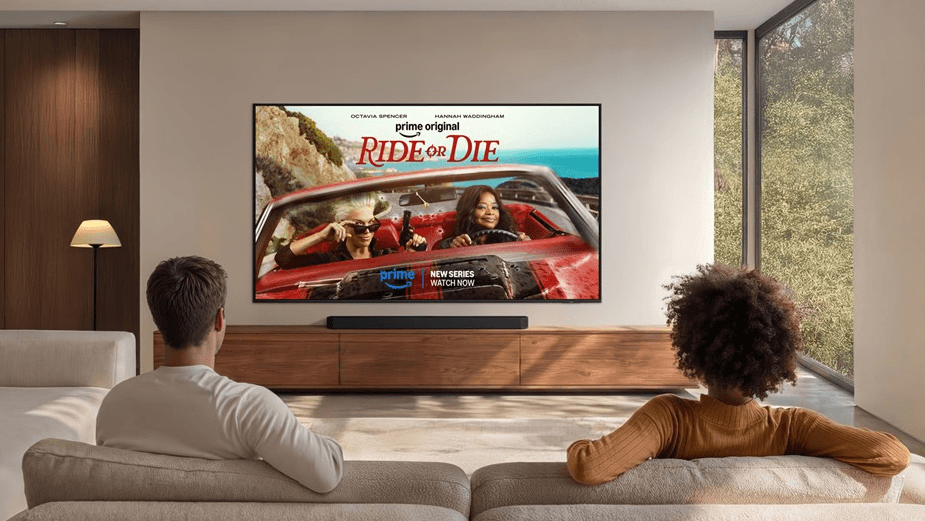
Samsung Electronics' 2026 TVs will be the first to enjoy the next generation of High Dynamic Range picture quality, with the company announcing the imminent launch of HDR10+ Advanced on select models later this month. Amazon Prime Video will be the first streaming service to support the new format, it said.
HDR10+ Advanced is a major update to Samsung’s HDR10+ format, designed to take advantage of the more powerful processing capabilities of modern televisions to enhance HDR visuals and motion handling. It’s set to become the main rival to Dolby Laboratories’ Dolby Vision 2 standard, which was announced last year but has not yet launched on any TVs.
According to Samsung, HDR10+ Advanced will become available on some its 2026 TV models first, with “support planned for future products” also on the horizon. Unfortunately, the wording of that statement doesn’t bode well for older Samsung TV owners, but we’ll have to wait and see.
It will probably be a fairly limited launch. HDR10+ Advanced will be available for some content from Amazon Prime Video on a few specific Samsung TVs, and so it’s likely that only a few people will actually be able to see it for themselves. However, the announcement does mean that HDR10+ Advanced has beaten Dolby Vision 2 in the race to be first to market. Dolby says its new standard will launch some time this year, and Peacock has already promised to add support for it with some of its content, but there’s still no concrete launch date.
When HDR10+ Advanced was first announced last November, six key updates were discussed: HDR10+ Bright, HDR10+ Genre, HDR10+ Intelligent FRC, HDR10+ Intelligent Gaming, HDR10+ Local Tone-Mapping and HDR10+ Advanced Color Control.
HDR10+ Bright enables “enhanced overall brightness” that will make HDR content look richer and more natural on TVs that can support it. Most movies are still mastered at just 1,000 nits, which is much lower than what some modern televisions can handle, so creators will be able to leverage the new format to deliver a much superior experience on TVs that can provide higher brightness.
As for HDR10+ Genre, this provides genre-specific optimisation, while HDR10+ Intelligent FRC is all about intelligent motion smoothing, similar to the Authentic Motion promised in Dolby Vision 2. Basically, it gives movie producers a way to adjust motion smoothing on a scene-by-scene basis, which should help to eliminate any judder.
Moving on, we have HDR10+ Intelligent Gaming which, as the name suggests, is designed to enhance the quality of HDR in video games. Meanwhile, HDR10+ Local Tone Mapping enables more precise backlight control on Mini-LED TVs. Finally, HDR10+ Advanced Color Control is said to enable more realistic colour reproduction, which should look nice on some of Samsung’s new OLED and Micro RGB TV models.
As with the original Dolby Vision and HDR10+ standards, it’s important to remember that these are different formats, and so there could be lots of discrepancy around which streaming services and TV manufacturers support which format. It’s almost a given that Samsung will continue to reject Dolby, and so its TVs won’t get support for Dolby Vision 2. LG’s TVs probably won’t ever get HDR10+ Advanced, given that company’s longstanding preference for Dolby. However, some TV brands, such as TCL, Sony and Philips, and streaming services like Amazon Prime Video and Netflix, could well end up supporting both formats.
