Generative AI threatens to disrupt the movie making industry like nothing before it, with dire warnings that the technology could put everyone from movie directors and screenplay writers to cameramen and even Hollywood’s best-known actors and actresses out of work.
But for Tom Cruise, the threat of AI is overblown, for nothing compares to the beauty of human artistry, no algorithm can match the kind of hands-on cinematography Hollywood’s legendary producers are capable of, and there is no experience that endures quite like the big screen itself.
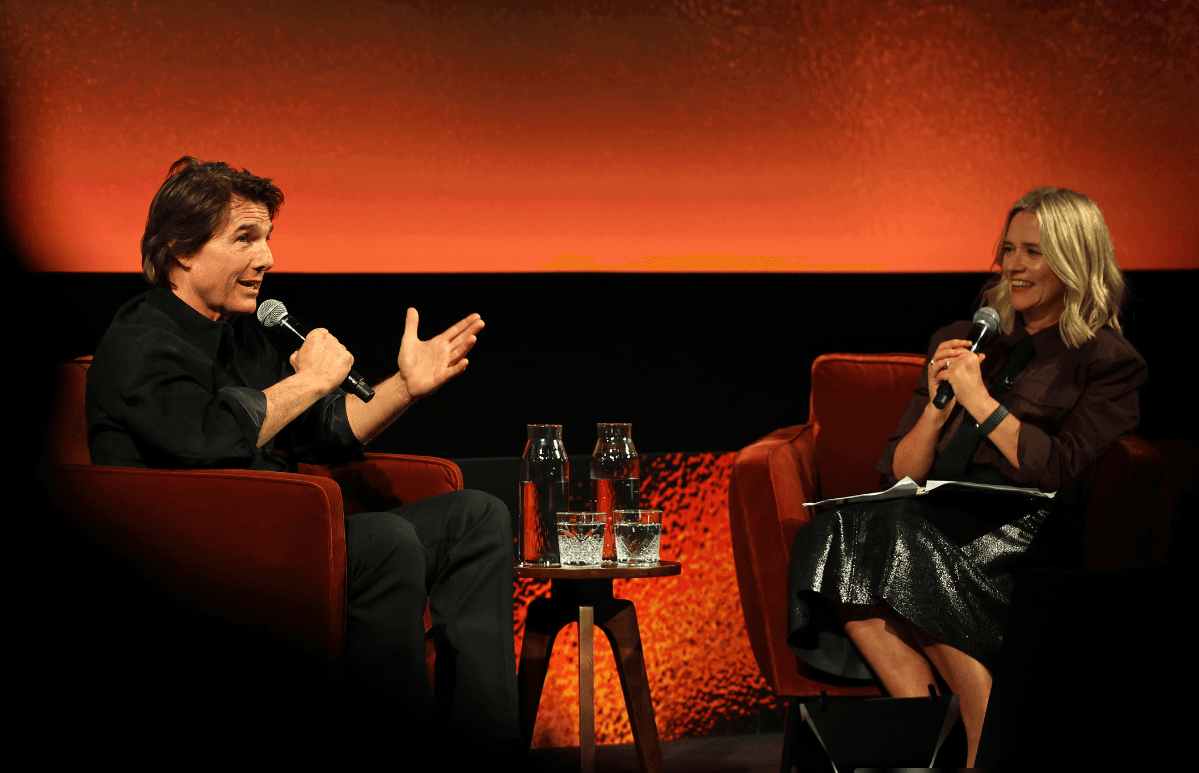
Speaking with Edith Bowman at a special BAFTA: Life in Pictures event in London this week, iconic actor and movie producer Cruise garnered rapturous applause from audience members after extolling the virtues of human artistry over AI generation.
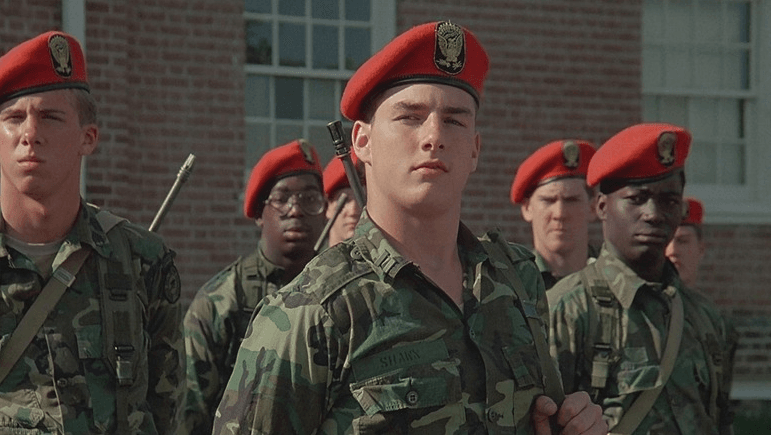
The event, sponsored by BAFTA’s Official Screen Partner Samsung, gave Cruise an opportunity to reflect on a journey across Hollywood that has spanned more than four decades, from his breakthrough role in Taps in 1981, all the way through to his latest film Digger, which will premiere at the box office next month.
Cruise offered wide-ranging commentary on the unique craftsmanship that goes into modern day storytelling. He discussed everything from the intricacies of filmmaking technology to the challenge of scene composition and why AI algorithms will never be able to substitute for the human touch.
“There is nothing like human,” Cruise told Bowman when asked about the prospects of automation in movie making. While acknowledging that the technological tools of the trade are constantly evolving, he said that the heart and soul of a good film stems from the passion of the talented, human craftspeople that work behind the scenes, using their imagination and creativity to bring stories to life.
“What do I think and what do I know? I know that it’s us,” Cruise said. “And making these things and hand crafting, if we care about it or are passionate about it, that translates. And that’s what people respond to. It’s not the perfect shot.”
Cruise pointed to this summer’s record-breaking box office receipts, which grossed a stunning $4.76 billion between May 1 and Labor Day, as evidence of the enduring desire for human storytelling, arguing that AI would never be able to recreate the ingenuity of people. “People want that experience. They’re going to movie theatres. [They] want to see real things,” he said. “I always believe in humanity.”
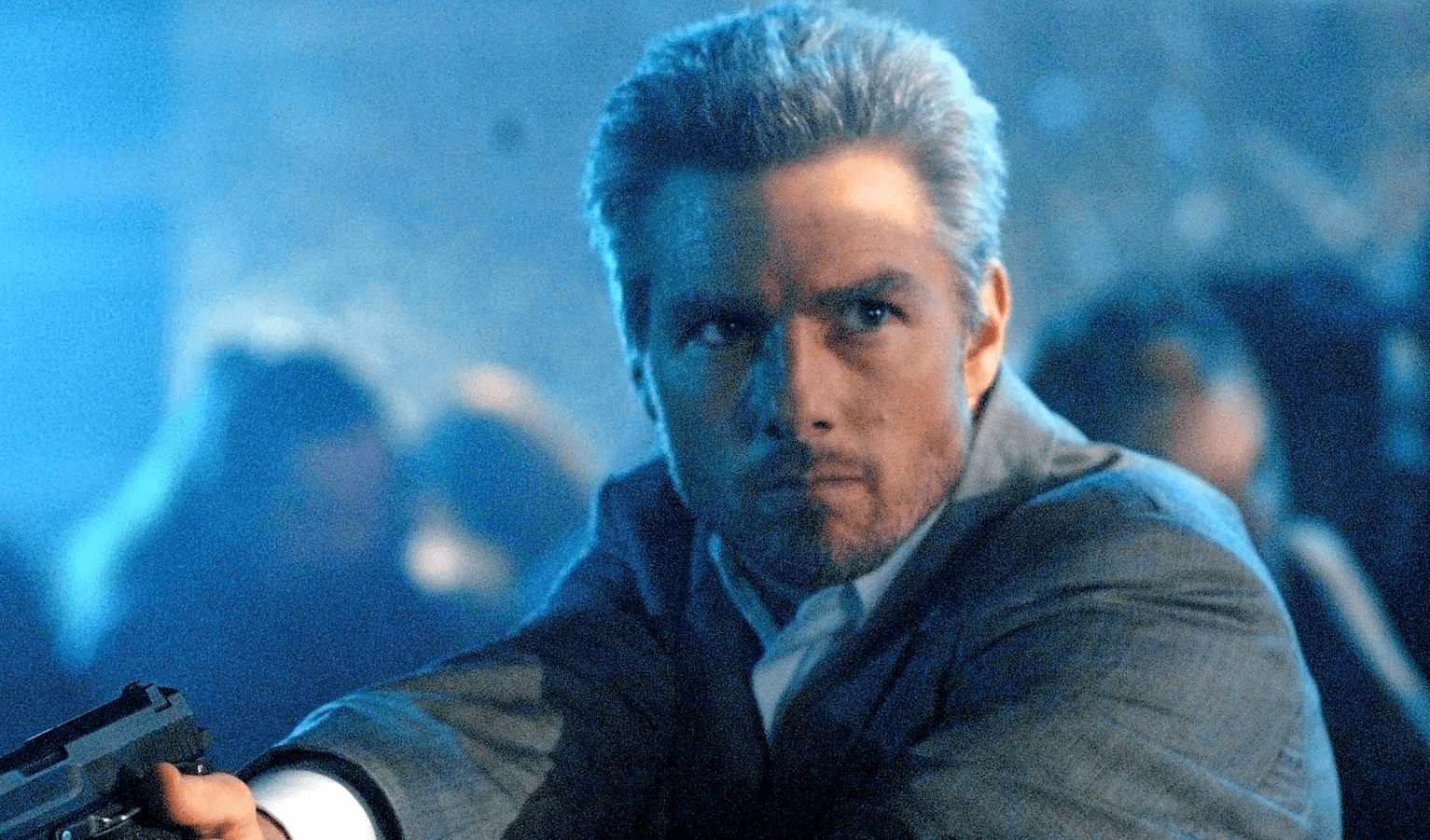
Another thing that AI will never understand is the way the technical choices of film producers are made to serve the narrative mood. Reflecting on Michael Mann’s 2004 thriller Collateral, which was one of the first feature films to capture Los Angeles’ ambient night glow on digital video, he said the decision was critical to its success.
“We were there at the pinnacle when we hit digital, when digital was obviously not where film was,” Cruise said, discussing the limitations of early digital sensors compared to traditional film. “But for Collateral, it worked perfectly for the tone.”
Cruise said digital has since come a long way with the emergence of high-resolution capture and high-dynamic-range, but urged filmmakers not to ignore the enduring qualities of celluloid film.
“As we’re evolving, I’m like, I don’t think we should really let go of film right now,” he said, pointing out that mastering these new camera formats is a learning process because it involves much more than just using high-end sensors. “You really have to know what you’re doing with it to try and create the same emotion with it,” he stressed.
Filmmaking craftsmanship also extends to scene composition and optics, and Cruise is a major proponent of using older, physical hardware such as 1970s-era C-series anamorphic lenses to create visual textures, rather than relying on digital post-production techniques.
“The movies that I love were taking glass that was cut before, hand-made, hand-crafted,” he said. He pointed out that technological hardware cannot achieve anything without original creative intent and spatial awareness. “You write about the frame, you could take an IMAX camera and say we’re shooting on IMAX, but you’ve still got to know how to fill a frame. You have to understand the staging.”
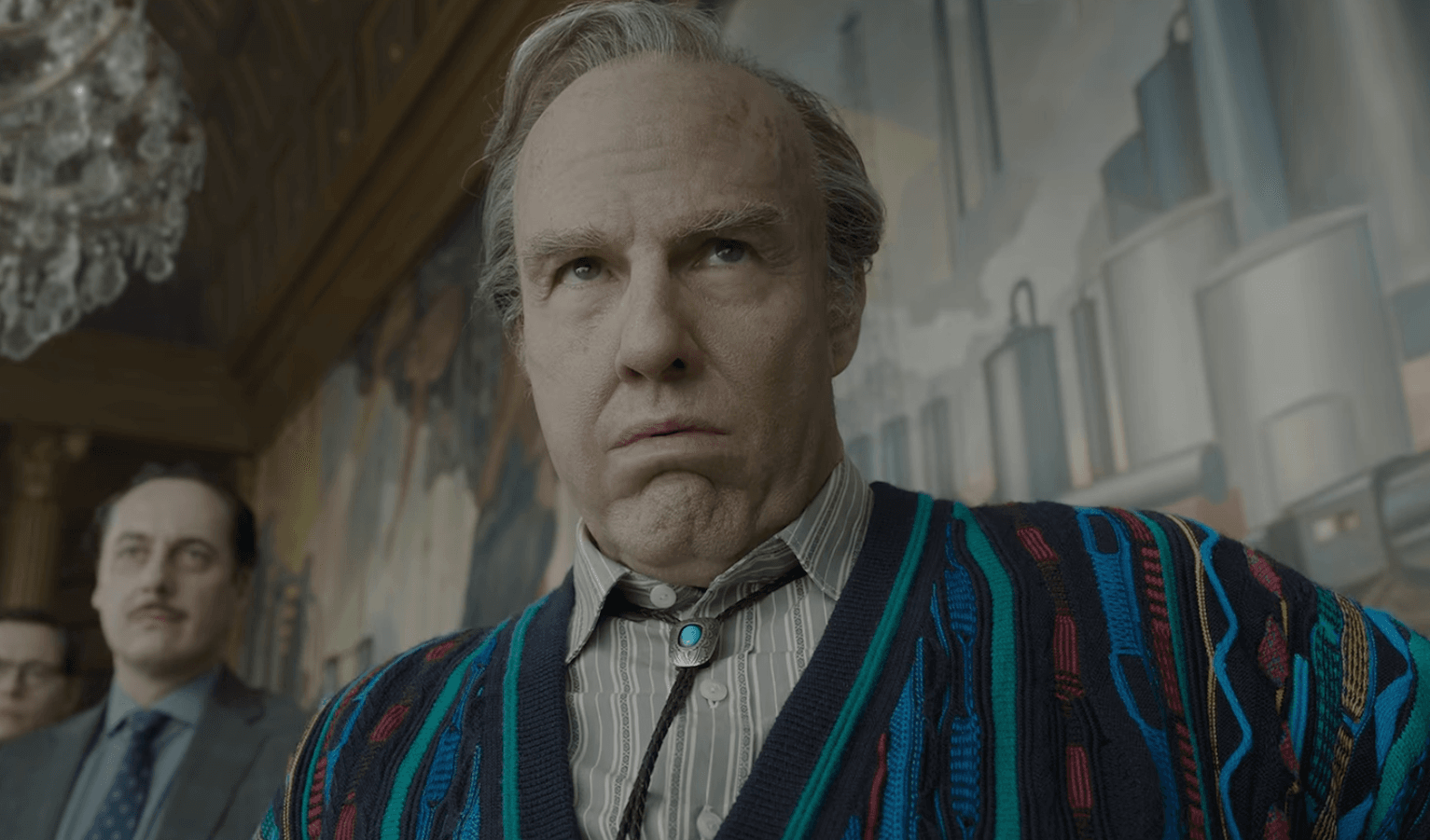
The best film producers understand that the aesthetic technicalities are merely a means to an end, a delivery vehicle for human connection, Cruise said while discussing his collaboration with the director Alejandro González Iñárritu on Digger (pictured below).
“The communication is above technical expertise,” he stated. “You know, you constantly work towards higher and higher levels of technical expertise.”
Cruise is not only a champion of human creativity, but also a keen advocate for the enduring appeal of the cinematic experience, arguing that while streaming and AI rendering have their place, they can never replace it. The big screen, he said, is a distinct artistic discipline that the industry must fight to preserve.
“Theatre is a different art form,” Cruise insisted, adding that people will always want to enjoy authentic, human-driven content at the cinema. “We keep creating, that is the truth. You know, it is coming and it’s going to happen, but people still want to see real things and we’re seeing them.”
