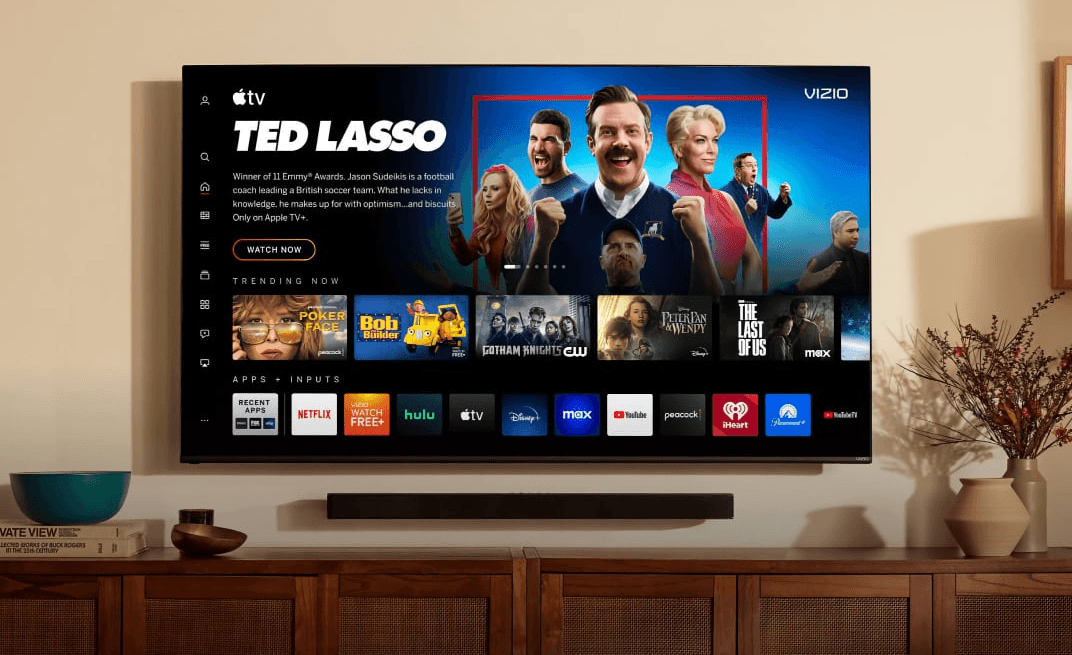
Vizio has long since lost its allure as a top-tier TV maker, abandoning its premium positioning to become an ad-driven smart TV platform instead. That’s bad enough, but the company has hit a new low with reports this week saying that users are now required to create an official Walmart retail account to access streaming services through its platform.
As FlatpanelsHD reports, it’s another example of the industry’s race towards "enshittification,” as TV platforms evolve to become advertising hubs that use entertainment as a hook to catch as many eyeballs as they can.
Vizio, as some readers may recall, was acquired by the retail giant Walmart for $2.3 billion back in February 2024, and it’s now being tied to its parent company in the most disingenuous way. As per Ars Technica, it’s planning to lock every Vizio TV’s streaming applications and internet-based features behind a totally unrelated Walmart account. So if you’re not a Walmart customer, you soon won’t be able to watch your Vizio TV.
A spokesperson for Walmart confirmed the plan, telling Ars Technica that existing Vizio account holders are being given the option to merge their account with their Walmart profile, if they have one. But it’s not really optional, because if someone wants to avoid doing this, they’ll have to delete their Vizio account entirely, the spokesperson explained.
For now, the Walmart account requirement is only for new Vizio TVs, but the retail giant plans to expand this to older TV models in future. Having a Walmart account provides absolutely no benefit whatsoever to the viewer, because it’s totally unrelated to the actual TV and the content it serves up. But, it does benefit Walmart, because it means it can start gathering data on that person’s viewing habits. The idea seems to be that it will link that data to its retail operations and start showing highly targeted personalised ads and messages. It’s already planning to promote some L'Oréal products this way, the company admitted.
It’s a sad day, because Vizio was once a pretty respectable TV brand, selling premium sets that could compete with the best that Samsung and LG Electronics had to offer in terms of picture quality and functionality. But in recent years the company has shied away from trying to match those rival’s sales, and instead focused on ads. Vizio revealed as early as 2021 that ads generate more revenue than hardware sales, and it has doubled-down on that model, now selling its TVs at near, or even below their cost price. Walmart seems determined to accelerate this trend.
Of course, Vizio isn’t the only TV company doing this. In fact, most smart TV platforms are now engaged in squeezing every drop of revenue they can out of their users, with some of the worst offenders being Roku and Amazon’s Fire TV platform.
One of the few, ad-free alternatives left is Apple’s tvOS, which deserves a ton of credit for resisting the pull of ad revenue and avoids collecting massive amounts of data from viewers.
