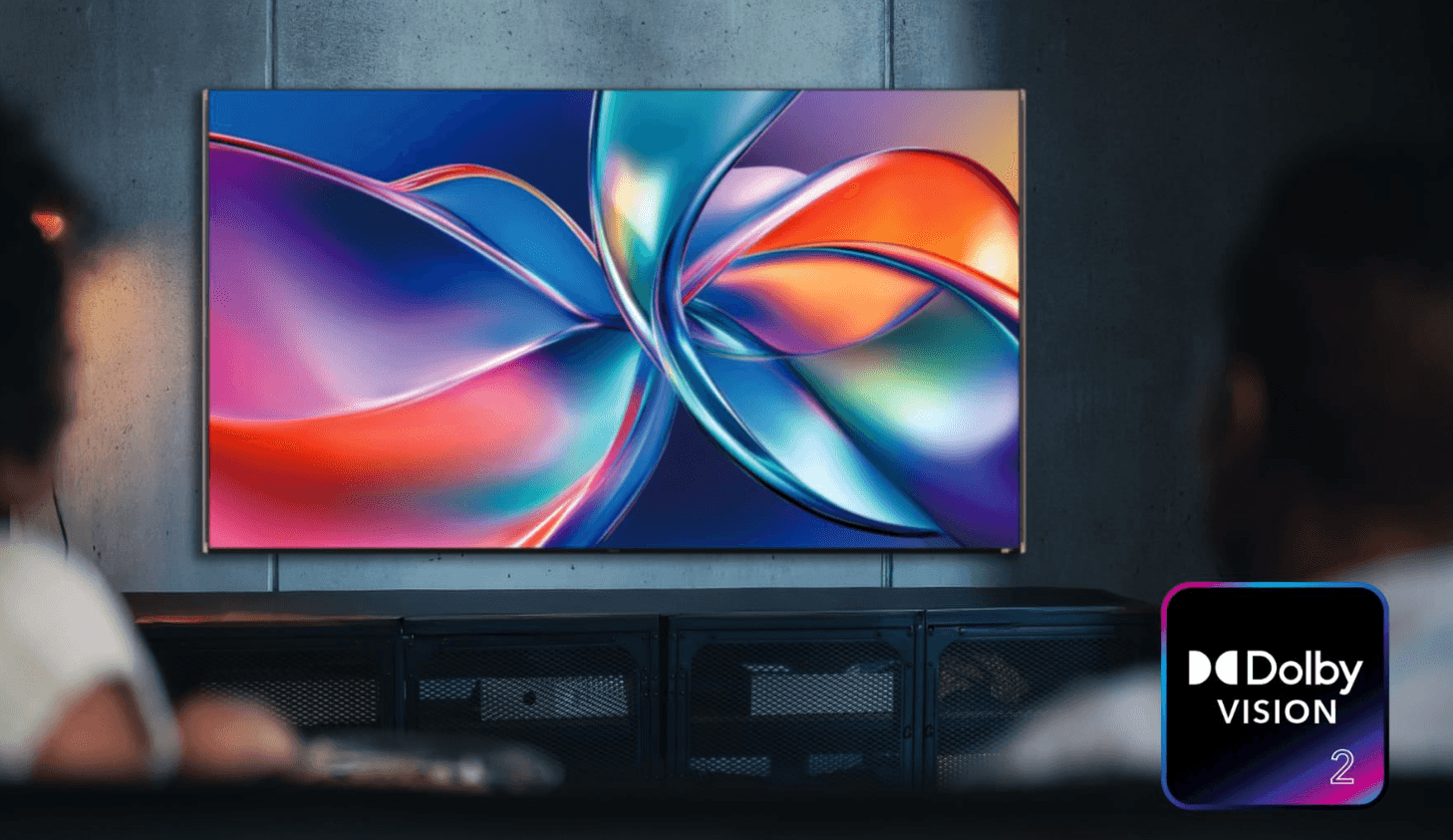
Dolby Laboratories is confident that it will be able to launch the new Dolby Vision 2 HDR standard this year, but none of the TVs planning to implement the new technology will support it at launch. Instead, it will come later via a software update.
When that will happen isn’t clear, and we have been getting mixed signals from the brands that do plan to support it. In the case of Hisense, it seems pretty optimistic, stating that it could roll out an update as soon as the end of the second quarter, or perhaps early in the third. However, TCL and Philips – the only two other brands planning to introduce Dolby Vision 2 – have both said that “late 2026” is a more realistic timeline.
That’s according to FlatpanelsHD, which points out that Dolby Vision 2 support is perhaps not as necessary as some TV buyers may think. While it’s certainly useful for someone who wants a future-proof TV, there’s no actual Dolby Vision 2 content available to watch at this time.
LG Electronics has said it doesn’t plan to add support for Dolby Vision 2 to its 2026 TVs, and Samsung Electronics has never even supported the original Dolby Vision standard, so we’re certainly not expecting any such announcements from it. Dolby has also confirmed that Dolby Vision 2 won’t be coming to older televisions either, because the new format requires more advanced hardware, namely MediaTek’s Pentonic 800 chip or above.
As far as content goes, the only major streaming services to announce that they will have some are Peacock and Canal+, neither of which really bother to cater to U.K. audiences. They can be accessed in the U.K., but only if you use a VPN. So far, no major movie studios have said they’ll support Dolby Vision 2, and neither has any of the major streamers, like Netflix et al.
To begin with, most Dolby Vision 2 content will likely be older movies that are remastered for the new standard, which will make them look better, even if they don’t achieve the technology’s full potential. Movie makers won’t start making native Dolby Vision 2 content until later, once the necessary production tools and hardware become more commonplace. Dolby Vision 2 can work on UHD Blu-ray discs, but would require new hardware, which doesn’t seem too likely given the state of physical media sales nowadays.
What that means is that Dolby Vision 2 support isn’t a major requirement at this moment. It’s going to take some time before it becomes as common as the existing Dolby Vision standard. That said, it’s important to remember that TVs are generally a multiyear investment, and there’s reason to think those who don’t buy Dolby Vision 2 sets could end up regretting their decision in a few year’s time.
