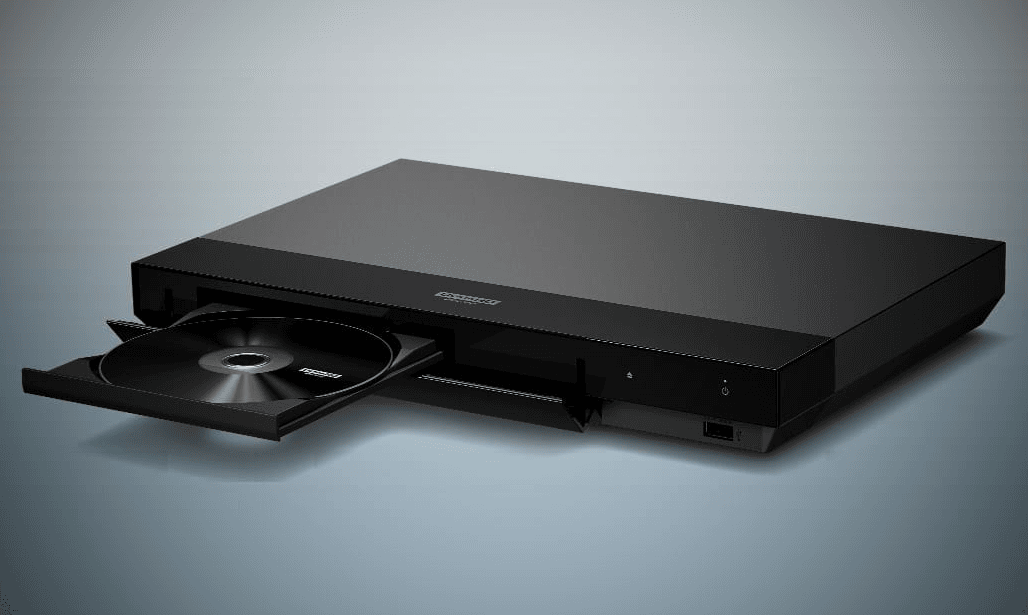
We thought 4K Blu-ray players were coming back into relevance, but it turns out that we were probably wrong, for Sony has put a bullet into the heart of the industry’s mini-revival by killing off its last remaining player in Japan.
A report by the seemingly trustworthy Japanese language blog Kunkoku says that Sony has stopped producing its sole 4K Blu-ray player, the Sony UBP-X700/K, just over a year after launching the product.
We think Kunkoku is reliable because it’s one of Sony’s major retail partners in Japan and what it’s reporting adds up. It said “Sony has ended shipments of its Ultra HD Blu-ray player,” and a quick look at the company’s website in Japan reveals that the UBP-X700/K is now listed as “Out of stock. This item will not be restocked.”
Sony has not issued any press releases or statements on the matter, but Kunkoku says this is unlikely, unless it announces a successor to the UBP-X700/K, which seems unlikely.
Fans of physical media will surely be disappointed, for Sony had only just released the UBP-X700/K in May 2025, ending a long, seven-year wait for new 4K Blu-ray media hardware. But it was not a major new product, but simply a refreshed version of the original Sony UBP-X700 Blu-ray player that hit the market way back in 2018.
For now, it seems that the Sony UBP-X700/K is still available to purchase in Europe and the U.S., but that will probably only be the case so long as stocks last in those markets. That’s because Sony has a habit of making decisions that are first seen in its home market before affecting other regions.
The decision means that Sony now only has a single product on sale that can play physical 4K Blu-ray discs – the Sony PlayStation 5 – but viewing movies is not its primary purpose and it doesn’t support Dolby Vision HDR. And it’s not going to last either, for Sony has already said it will stop releasing PlayStation 5 games on physical discs, and it’s widely expected that the upcoming Sony PlayStation 6 console will not have an optical media drive at all.
Sony has, unfortunately, been building up to this for a while, and clearly sees no viable future in physical media, having already stopped selling Blu-ray recorders earlier this year, and quitting the recordable Blu-ray disc business the year before. It has also stopped selling CD and SACD players, too.
Other brands to exit the 4K Blu-ray player market in recent years include Samsung, LG, Pioneer and Reavon.
The news will be a bitter blow to fans of physical media, who appreciate that 4K Blu-ray discs provide a noticeable step up in picture and sound quality compared to any streaming service. That’s all the more so given that we had recently seen encouraging signs that 4K Blu-ray players might be back in business.
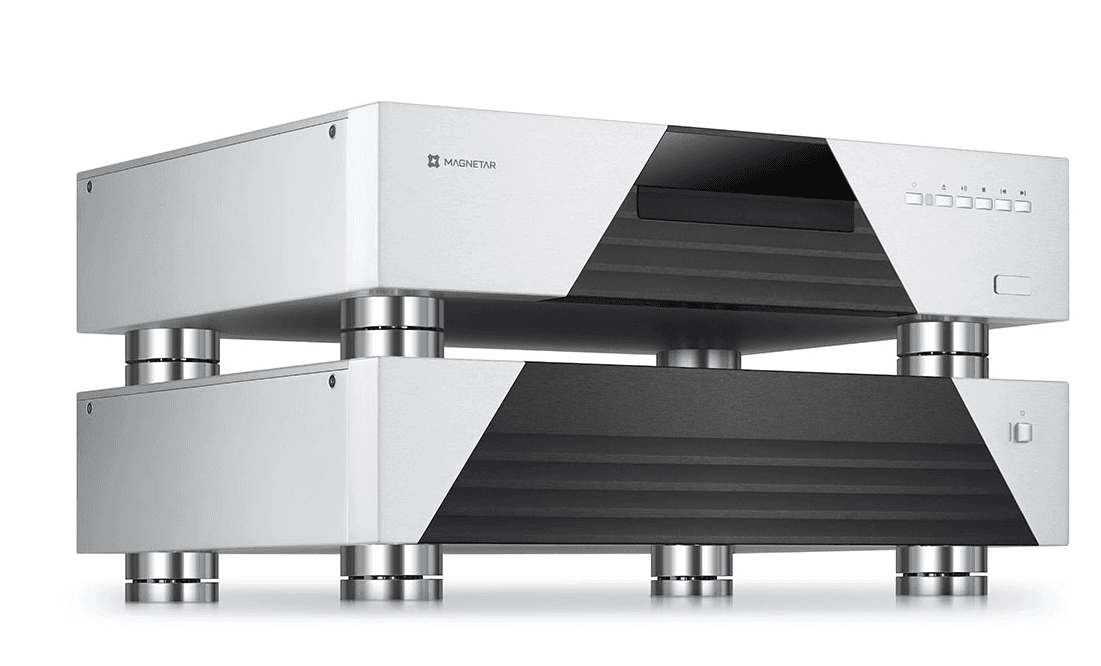
Last month, Panasonic ended a long, seven-year wait for a new 4K Blu-ray player with the launch of the high-end Panasonic DMR-4X10¹⁰, although that model only appears to be on sale in Japan for now. It was released just a few weeks after the Hong Kong-based brand Magnetar launched the Magnetar Ultima, an exclusive, ultra-luxurious premium product (pictured above) that is almost certainly the best 4K Blu-ray player money can buy, with a staggering $12,000 price tag.
We got even more excited when the Australian brand Laser debuted a new, ultra-low cost 4K Blu-ray player at the end of September, and earlier this month we were delighted to see that the Chinese firm Krovatar debuted three new models, including one premium and two much lower cost and portable models.
With so much new hardware hitting the market all at once, hopes were raised that the 4K Blu-ray player market could be on the verge of a revival, but Sony’s decision derails that momentum. That’s because Sony was one of the main developers of Blu-ray disc technology and the main driving force behind its adoption. The decision to now bow out of the market can therefore only be viewed as a massive, perhaps even mortal blow to the physical media industry.
