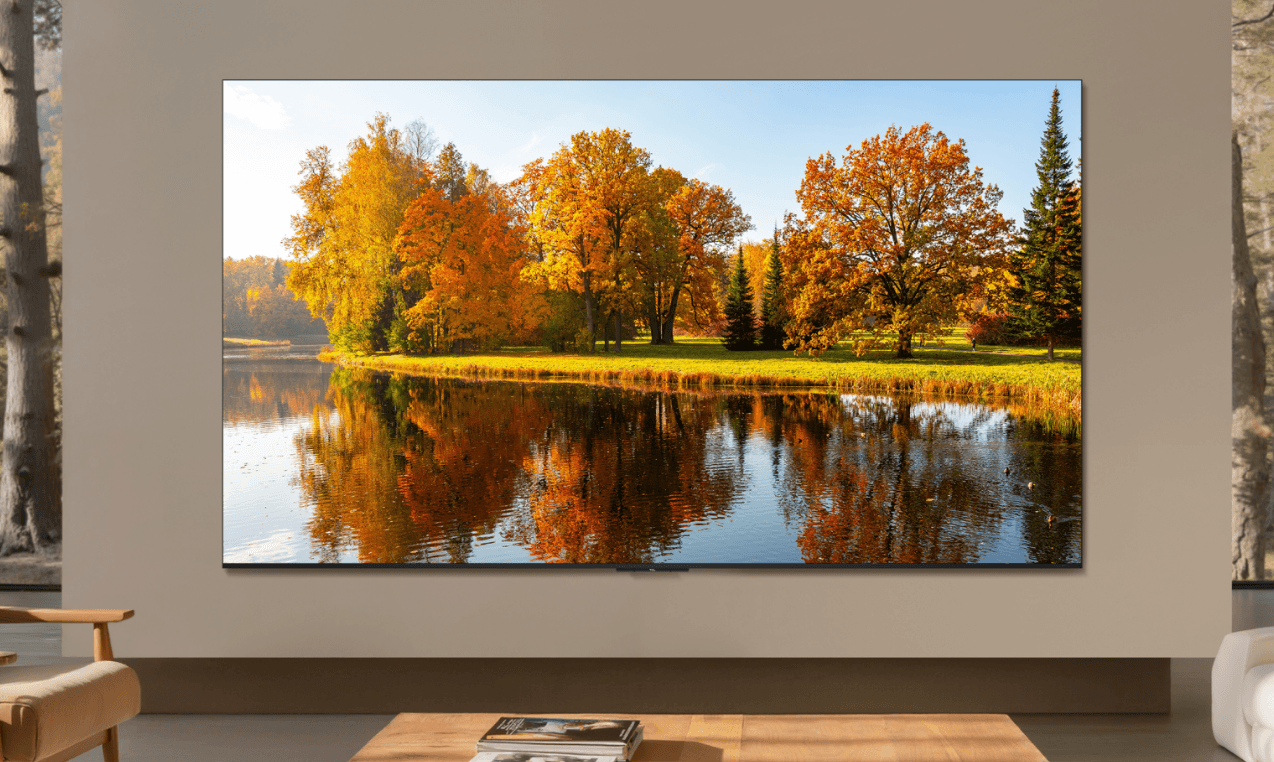
TCL’s flagship 2026 TVs are now on sale in the U.K., and that means we also have official prices for the entire range, which is headed up by the new C8L-UK SQD-Mini LED and the C7L-UK SQD-Mini LED TVs.
As the model names suggest, the new TVs – known as the QM8L and QM7L in the U.S. – are both equipped with TCL’s new “Super Quantum Dot” display technology, which the company claims is superior to the RGB LED displays that have been positioned as the most cutting-edge tech by most of its rivals this year.
TCL argues that its SQD tech surpasses RGB LED in terms of both brightness and colour depth. Whereas RGB LED TVs use separate red, green and blue LEDs in a backlight, TCL’s SQD implements a single-chip “pure white” light source that’s combined with a five-nanometre Super Quantum Dot filter, allowing it to deliver a broader spectrum of colour. According to TCL, this enables it to achieve 100% coverage of the BT.2020 colour space, even though it’s slimmer and less expensive than RGB LED.
You can watch this video to learn more about TCL's claims on what makes its SQD Mini-LED tech superior to RGB LED panels:
The company does not intend to launch its most powerful SQD TV, the TCL X11, in the U.K. this year, which means the flagship model on these shores will be the C8L. But fans of the brand shouldn’t despair, for it’s a very powerful TV in its own right and it comes with a tantalizingly low price tag.
The TCL C8L is the successor to last year’s non-SQD C8K TV, and it has slightly more Mini-LED dimming zones, with 4,032 found on the largest 98-inch model. The company said the major difference lies in colour reproduction, as the older model fell short of 100% on the BT.2020 colour gamut. It’s also much brighter, with TCL claiming it can hit a staggering 6,000 nits. In addition, the C8L will also be one of the first televisions in the world to support the new Dolby Vision 2 Max HDR standard through a coming firmware update.
It also boasts four HDMI 2.1 ports thanks to the inclusion of the Pentonic 800 chipset from MediaTek, and it has the same ZeroBorder display found on the X11L TV, which minimises the black space in between the active display and the bezel.
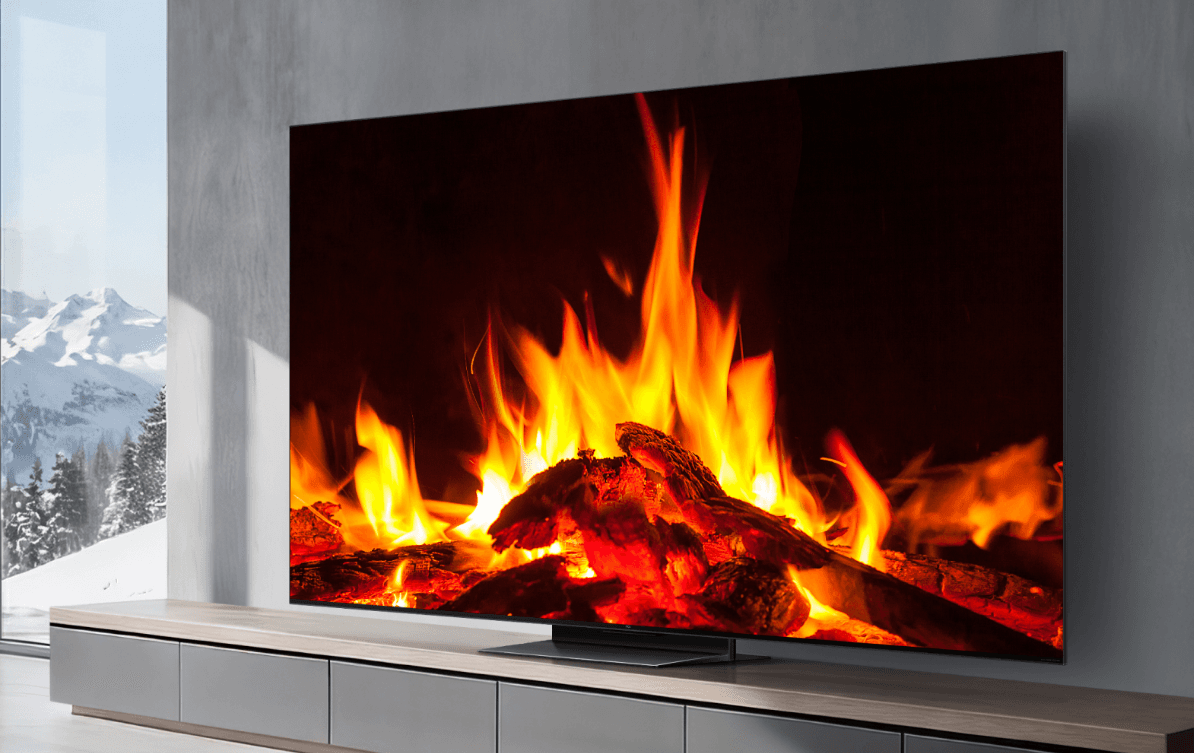
Sitting just below that model is the TCL C7L TV (above), which also has super quantum dots and enhanced colour depth. However, it lacks the WHVA LCD panel found on the C8L, which means it won’t have the same ultra-wide viewing angles as that model. It won’t get Dolby Vision 2 either, and it has viewer dimming zones, maxing out at 2,176 on the 98-inch version. Also, it will only have a couple of HDMI 2.1 ports. Despite this, the SQD panel should ensure its picture quality far surpasses that of similarly priced Mini-LED models from brands like Samsung and LG, especially given TCL’s aggressive pricing strategy.
Both of the new TVs promise some pretty awesome sound, with TCL partnering with Bang & Olufsen on room-filling 2.1-channel surround sound audio systems that boast Dolby Atmos support.
We first caught a glimpse of the C8L and C7L TVs and their all-new displays at CES 2026, and the video below reveals our chief reviewer Vincent Teoh's first impressions of the tech:
As for size and prices, TCL said both the C8L and C7L will be sold in sizes ranging from 55-inches to 98-inches. The 55-inch C8L starts at just £1,199, while the smallest variant of the C7L can be had for £100 less. The 65-inch models are priced at £1,899 and £1,299, respectively, while the 75-inch models will cost £2,299 and £1,699.
Moving up, the 85-inch C8L is priced at £2,999, while you can expect to pay £2,299 for the same sized C7L. Finally, there’s the 98-inch C8L, which goes on sale at £3,999, and the 98-inch C7L, priced at £3,299.
When we look at those prices, they compare very favorably with the flagship RGB LED models launched by TCL’s rivals this year, and bear in mind that this is just the start. Those who wait a few months can expect to see some big price drops, especially as we get closer to Christmas.
