TCL this week announced its full TV lineup, having previously revealed many of its higher-end models for 2026. The company confirmed it will launch additional models featuring “super quantum dots,” which is a new display technology not offered by any other brand. In addition, it also announced its first LCD TVs with RGB LED backlights.
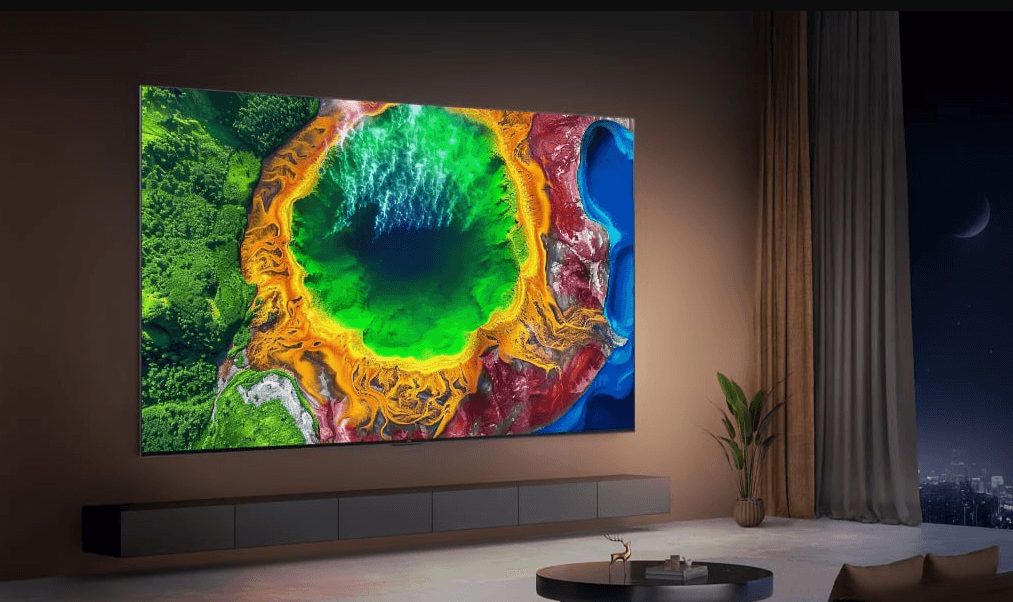
We saw TCL’s flagship Super Quantum Dot TV at CES 2026 in January when it unveiled the X11L TV (pictured), which is widely regarded as the top performing Mini-LED TV to be launched by any company this year.
TCL is differentiating itself this year. It argues that its “SQD-miniLED” technology, which stands for Super Quantum Dots miniLED, is superior to the RGB LED models launched by the likes of Samsung, Hisense, LG Electronics and others, surpassing their picture quality with higher brightness and similar colour depth. Whereas RGB LED TVs use separate red, green and blue LEDs in a backlight, TCL’s SQD implements a single-chip “pure white” light source that’s combined with a five-nanometre Super Quantum Dot filter, allowing it to deliver a broader spectrum of colour. According to TCL, it can achieve 100% coverage of the BT.2020 colour space, despite being slimmer and cheaper to build than RGB LED.
SQD Mini-LED technology will not be limited to the flagship X11L TV, as it’s also coming to new models such as the C8L, C7L and Q7D in Europe, and the QM8L and QM7L (which are identical to the C8L and C7L) in the U.S. These are all “SQD-miniLED” models, the company said, referring to its own branding.
The TCL C8L TV (pictured below) has slightly more Mini-LED dimming zones than last year’s non-SQD C8K TV, which it replaces. The company said the major difference lies in colour reproduction, as the newer model now achieves almost 100% of the BT.2020 colour gamut, while brightness goes up to a staggering 6,000 nits. In addition, the C8L will also get support for Dolby Vision 2 Max through a coming firmware update, together with four HDMI 2.1 ports thanks to the inclusion of the Pentonic 800 chipset from MediaTek.
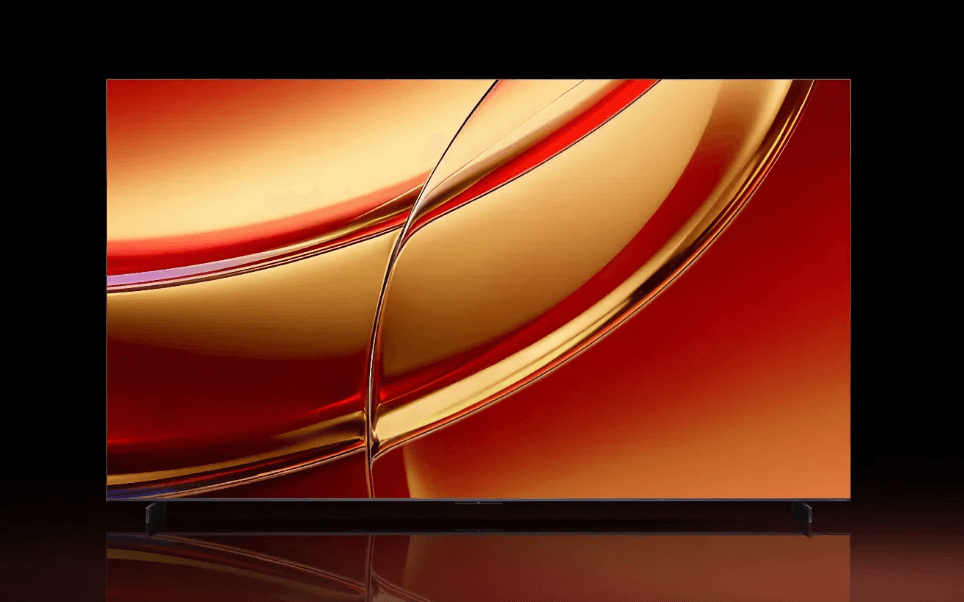
Sitting just below that model is the TCL C7L TV, which also has super quantum dots and enhanced colour depth. However, it lacks the WHVA LCD panel found on the C8L, which means it won’t have the same ultra-wide viewing angles as that model. It won’t get Dolby Vision 2 either, and it has viewer dimming zones. Also, it will only have a couple of HDMI 2.1 ports. Despite this, the SQD panel should ensure its picture quality far surpasses that of similarly priced Mini-LED models from brands like Samsung and LG, given TCL’s aggressive pricing strategy.
As for the TCL Q7D Pro, this model appears to be exclusive to Europe. It’ll be the cheapest of the company’s SQD TVs, with fewer dimming zones and reduced brightness compared to the C7L.
Moving down again, TCL also announced its entry-level P series TVs, and the highest model in this category gets a Mini-LED panel for the first time. That would be the P8L, which is destined for Europe. It’s just a regular Mini-LED panel though, so no SQD tech here. The company is also launching a new A440 Pro Nxtvision TV, which competes with Samsung’s iconic gallery TV The Frame Pro. It’s expected to surpass Samsung’s model in terms of picture quality, because it uses a full Mini-LED panel, rather than the edge-lit Mini-LED found in Samsung’s version.
Despite claiming that SQD outperforms RGB LED backlights, TCL hasn’t shunned the new technology at all. Its first RGB LED models are simply being positioned lower than the SQD TVs.
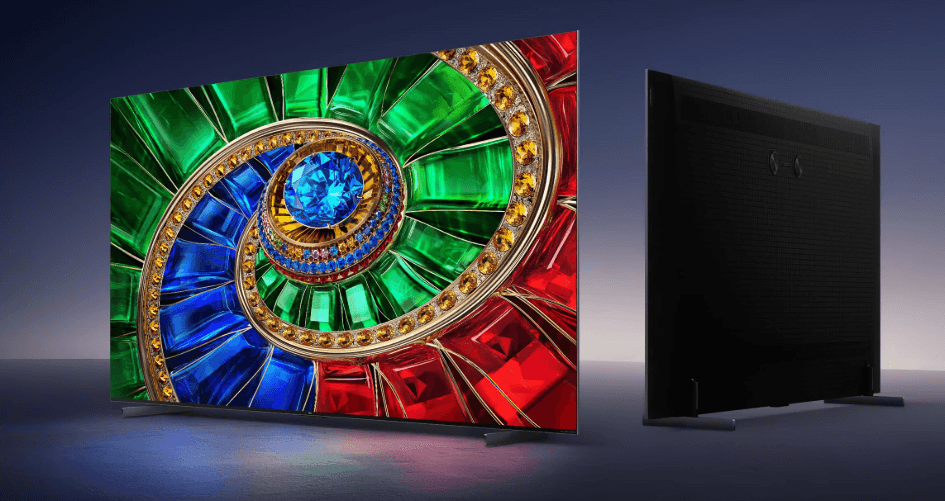
This lineup will be headed by the new TCL RM9L TV that was first announced at CES, and it will also include a more affordable RM7L RGB miniLED model (above). The RM7L will have less dimming zones and lower brightness than the RM9L, but it will still match the 100% BT.2020 colour depth found on the higher-end model. However, neither the RM9L or RM7L will get support for Dolby Vision 2 – a decision likely taken to emphasize TCL’s stance that SQD is the superior technology. On the other hand, they will get regular Dolby Vision and they’ll also be available in bigger sizes, with the largest model being 115-inches. That’s currently the largest panel size manufactured by TCL CSOT, the company’s display making subsidiary.
TCL said its new TVs are set to launch during the spring and summer, which means they should start making their way to the shops soon. The company has not yet revealed pricing in either Europe or the U.S.
TCL is also expected to launch new and potentially much more affordable MicroLED TVs later this year in the shape of the Max163M and Max163M Pro.
