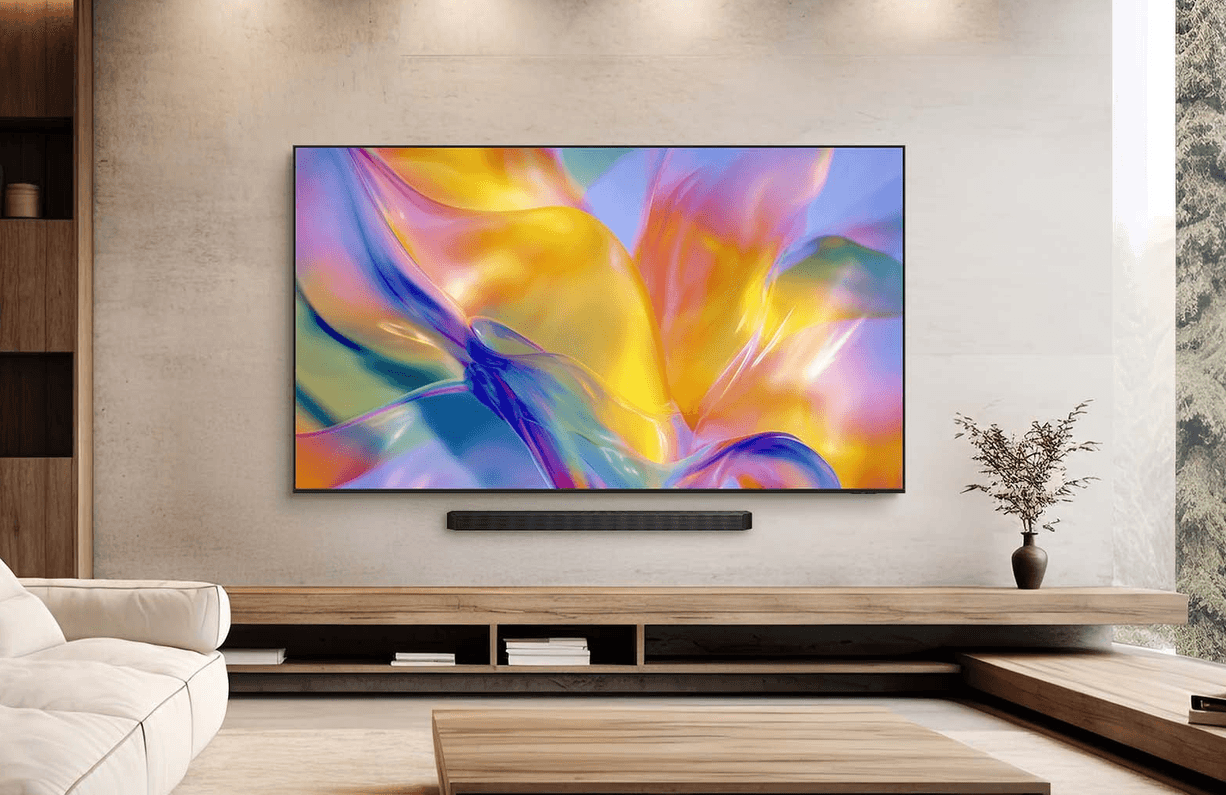
TCL has taken exception to what it alleges is Samsung’s false marketing tactics. In a lawsuit filed in a U.S. court this week, it says its rival has falsely marketed its 2026 M-series TVs as Mini-LED models when they really aren’t.
In its complaint, the Chinese company alleges that Samsung took a “cheap, non-Mini-LED model from a recycled product line and peddled it to the public as a ‘supreme’ Mini-LED model at an attractive price point.”
The lawsuit also claims that Samsung’s M-series TVs lack any of the technological advancements that are commonly associated with Mini-LED displays. TCL hopes that it can get an injunction preventing Samsung from using the words “Mini-LED technology” for those TVs, and it also wants an unspecified amount of money in damages, Reuters said.
Samsung told HDTVTest that it rejects TCL’s accusations and plans to "vigorously defend" itself in a court of law. "We stand fully behind the quality and accuracy of our product descriptions," a spokesperson for the company said. "As the number one TV brand for 20 years, our products, track record, and loyal customers speak for themselves. As this is an active legal matter, we will not be commenting further at this time.”
Samsung debuted its M-series TVs earlier this year, when it explained that it’s supposed to be a more affordable lineup of Mini-LED TVs. The M90H, M80H and M70H TVs feature edge-lit Mini-LED displays, rather than the backlit Mini-LED displays found on more expensive models such as its Neo QLED TVs. While they do offer some kind of zone-based dimming capabilities, it’s nothing like as capable as what you’d expect from a full, backlit Mini-LED TV.
The local dimming zones are the key feature of Mini-LED and what makes it so superior to regular LCD displays, because they’re what enables the superior brightness and contrast, enhancing the overall quality of the pictures.
Samsung first unveiled its edge-lit Mini-LED concept last year with the arrival of the 2025 version of The Frame Pro, its popular gallery TV that looks like a picture frame. It then introduced the tech in this year’s M series TVs, which sit at the bottom of its Mini-LED range. TCL doesn’t think Samsung should be able to get away with calling them Mini-LED TVs though. For its own product line, it only uses Mini-LED terminology for models that have proper Mini-LED backlights.
While they were once on quite friendly terms, with both of them being prominent members of the QLED Alliance, things have changed as TCL has slowly grown its market share, overtaking Samsung in the global Mini-LED market. TCL is now threatening to take Samsung’s prized position as the world’s number one TV brand overall.
As a result, they’re not nearly as friendly with one another as they were before. Last year, Samsung sued TCL in a German court, accusing the Chinese brand of misleading consumers by advertising some of its models as QLED TVs, despite them using only a tiny amount of quantum-dot materials in their panels. The company argued that TCL’s QLED870 TV series did not meaningfully improve picture or colour performance, and that they shouldn’t be labeled as QLED TVs.
The court ruled in Samsung’s favour in March, ordering TCL to stop selling or advertising the TVs in question as QLED models. The company has since pulled the QLED870 TVs from sale in that country.
Now TCL wants to get its revenge, and it’s using the same kind of argument, but it’s not clear if U.S. judges will be as receptive to its arguments as the German ones were.
