With Samsung and LG both unveiling their latest premium OLED TVs at CES 2026 yesterday, it’s clear that neither one of them is prepared to let up in the relentless pursuit of increasingly brighter displays.
Samsung’s flagship S95H OLED TV is the first to feature the latest-generation of its QD-OLED technology, while LG’s all-new G6 comes with the company’s crisp new Primary RGB Tandem 2.0 panel, and there’s one thing that they both achieve – 4,500 nits of peak brightness. It’s a big deal because these two companies sell their OLED displays to just about every other OLED TV maker there is, so that means all of this year’s premium TVs should be much brighter than last year’s.
But what does increased brightness really mean? Well, the one caveat to be aware of is that you won’t actually experience 4,500 nits in all of its glory, for while it’s technically possible, these numbers generally pertain to just a small 10% window. In reality, the full-size picture you see on the screen isn’t quite so bright.
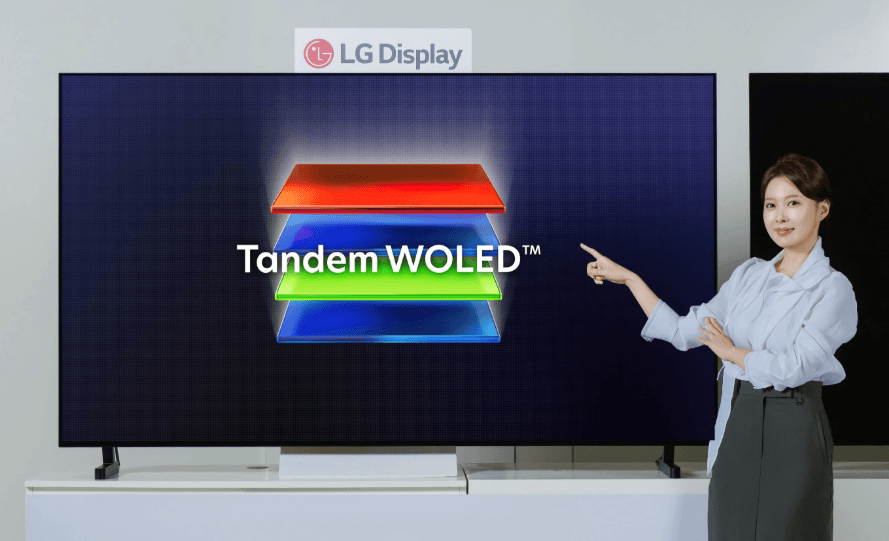
LG Display’s 2026 Tandem WOLED panel, to give it its proper name, is the latest evolution of its Primary RGB Tandem technology that first appeared last year, stacking red, green and blue elements onto independent layers in order to maximise their light efficiency. According to LG, this results in peak brightness of up to 4,500 nits.
As for Samsung Display’s new 2026 QD-OLED panel, this is said to feature “newly optimised organic materials” that enable it to also support a “peak brightness of 4,500 nits”, which it notes is “among the highest brightness levels achieved for a self-emissive display”.
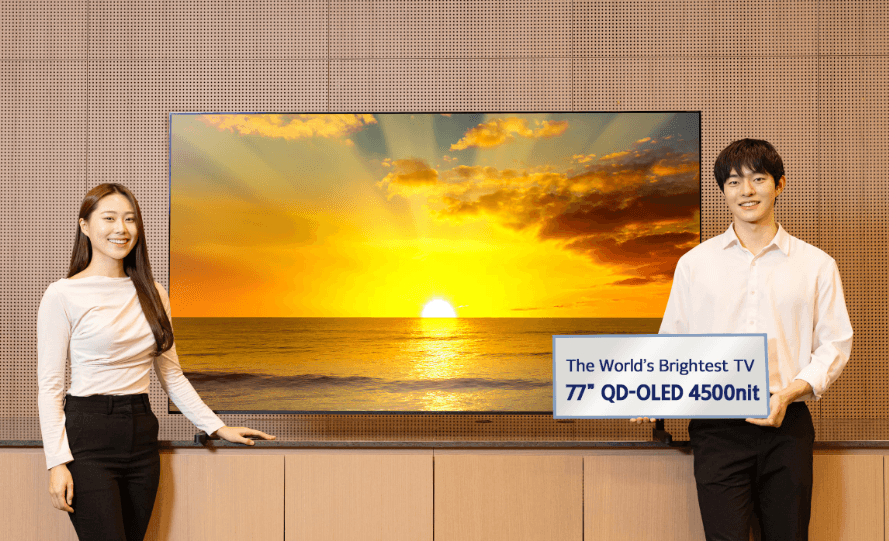
The key word used by both companies is “peak”, and it’s worth noting that it doesn’t mean “always”. Rather, when display makers talk about peak output numbers, we should remember that they’re similar to peak Wi-Fi speeds, meaning that they’re only reached in very specific situations in ideal testing lab conditions. So it’s unlikely to be replicated in anyone’s living room. In reality, we can expect Samsung’s and LG’s best TVs to put out something between 2,000 and 2,500 nits in most scenarios, or perhaps even closer to 3,000 nits in more ideal conditions.
So they’re quite as bright as either company claims, but still much brighter than the OLED TVs of yesteryear. For instance, brightness was the most glaring weakness of LG’s first-generation OLED TVs, clocking in well below 1,000 nits. Both LG and Samsung have made a lot of progress in a short space of time, and the impact of these brighter panels should certainly be felt in real-world living room conditions.
