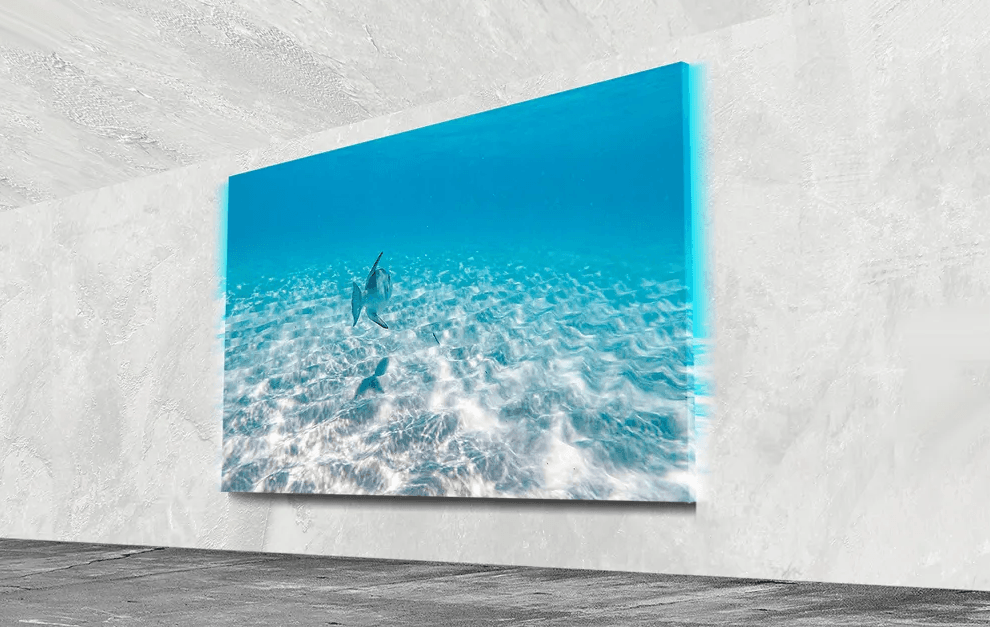
For years “they” have been saying that MicroLED is set to relegate OLED and Mini-LED TVs into mid-tier territory once the technology became smaller and more affordable. But it’s looking more and more debatable if the tech will ever actually get there, for Samsung Electronics, often considered the pioneer of MicroLED, is now scaling things back.
According to a report by DigiTimes, Samsung is slowing down its MicroLED manufacturing operations, having previously only made them to order. Production has now stopped altogether and instead, the company is outsourcing panel manufacturing and bonding, which had both been done internally.
It’s likely that the decision to scale back was prompted by MicroLED’s miserably low sales. According to DigiTimes, Samsung was only managing to sell around 100 MicroLED TVs per year.
However, it’s important to note that this doesn’t mean Samsung is exiting the MicroLED TV business. The report says Samsung still does the final assembly of those products, before shipping them to customers. But some industry watchers believe that the news is not a good sign, and could be the first step towards a more permanent withdrawal from the market – at least until MicroLED can be made more cheaply.
Samsung’s decision may have also been prompted by the success of its Micro RGB TVs, which are based on RGB-LED technology. These are a kind of half-way house between MicroLED and Mini-LED. While they don’t have the self-emissive panels found in MicroLED displays, they use the same kind of RGB LED backlight to replace the single-colour Mini-LED backlight that’s paired with colour filters on traditional LCD panels.
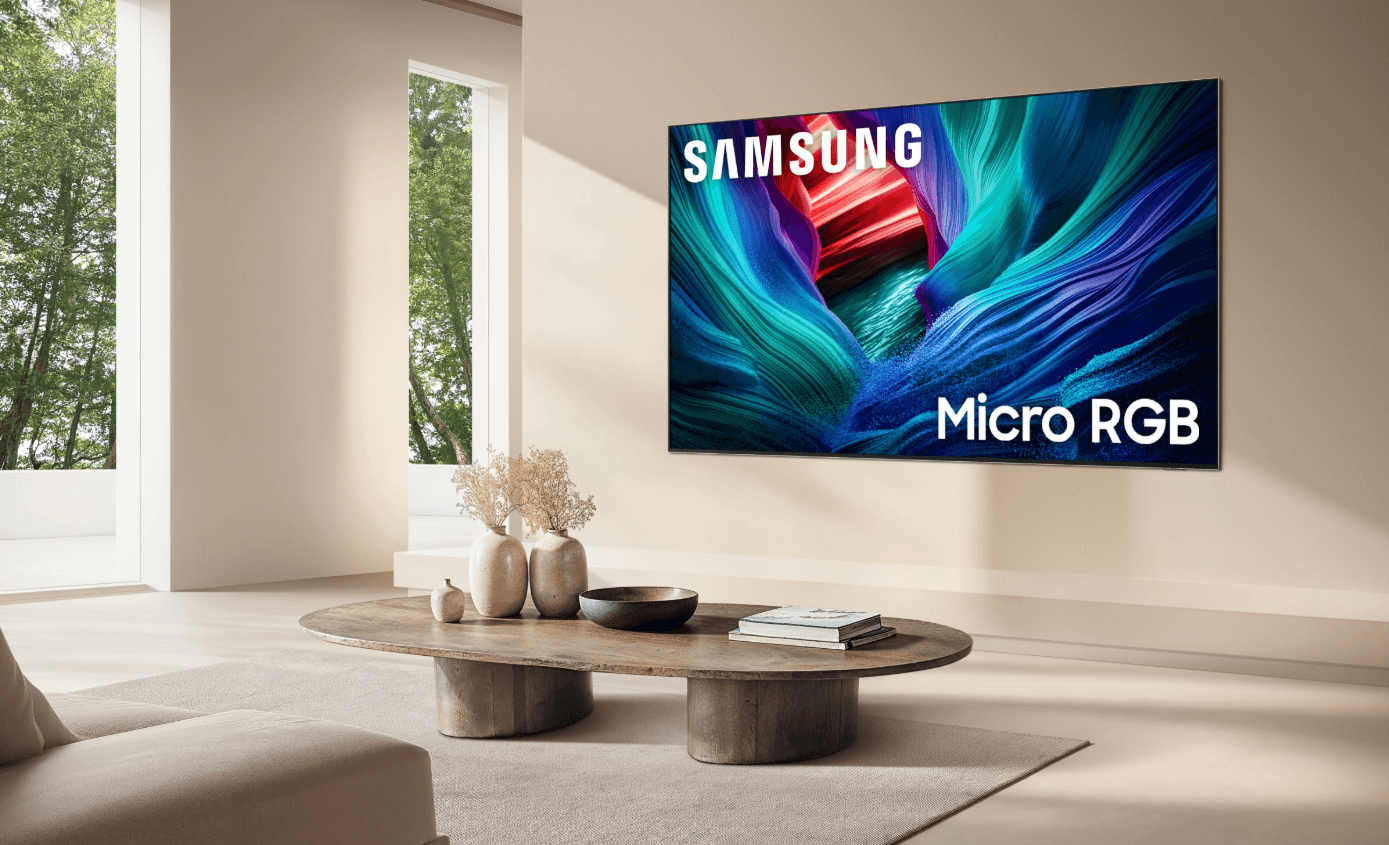
The goal with RGB LED is to enhance colour accuracy and picture quality without the massive cost overheads that come with true MicroLED displays, and it also helps to boost awareness of the technology. While Samsung’s first, giant-sized Micro RGB TV was astonishingly expensive, the company has announced a number of smaller and much more affordable models for this year, which are just about to hit the market.
Samsung does face competition in the nascent RGB LED TV space, though. Sony, Hisense, LG Electronics and TCL have all launched their own models based on the same technology.
As for MicroLED TVs, they’re not done yet. In fact, both Hisense and TCL have become more aggressive in this area, showing off some very impressive models at CES 2026 in January. TCL then followed up with a bombshell, announcing the availability of its spectacular 163-inch Max163M MicroLED TV in China for an incredibly low price of just 249,999 RMB, or around £27,410. While that’s still pricey, it’s a whole lot less than the £100,000+ price tags we’re used to seeing for these products. There’s also a more premium TCL Max163M Pro model that sells for 349,999 RMB, or £38,375.
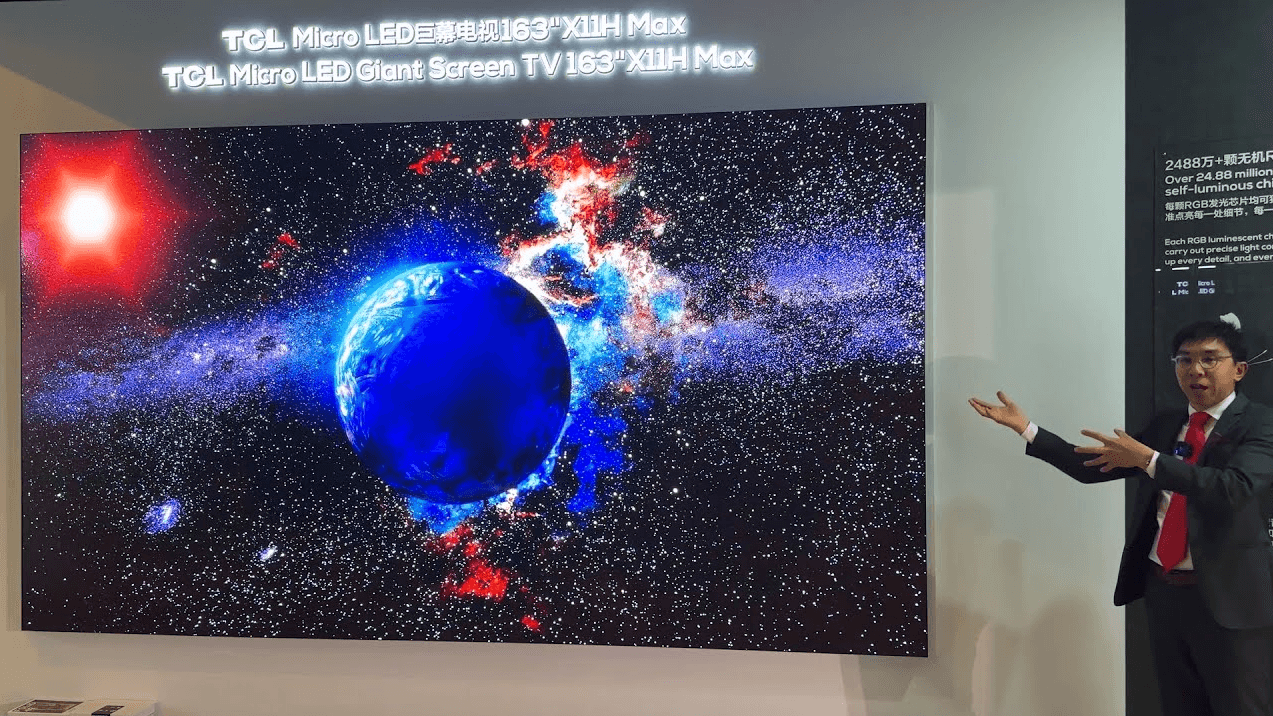
If those TVs are sold globally, they’ll likely cost a few grand more when we slap on the transportation costs, taxes and other levies, but it does suggest the tech is finally coming down in price.
In the meantime, Samsung is giving us conflicting signals, for it continues to produce new MicroLED TV designs, too. At CES 2026, it unveiled a sublime 140-inch model that extended the picture right through the bezel to the edge of the TV.
Although these are all encouraging moves, most analysts say that MicroLED TVs are still a long way from going mass market. At present, the most optimistic forecasts suggest we’ll have to wait at least five years before prices drop enough to match the most premium OLED and RGB LED TVs.
