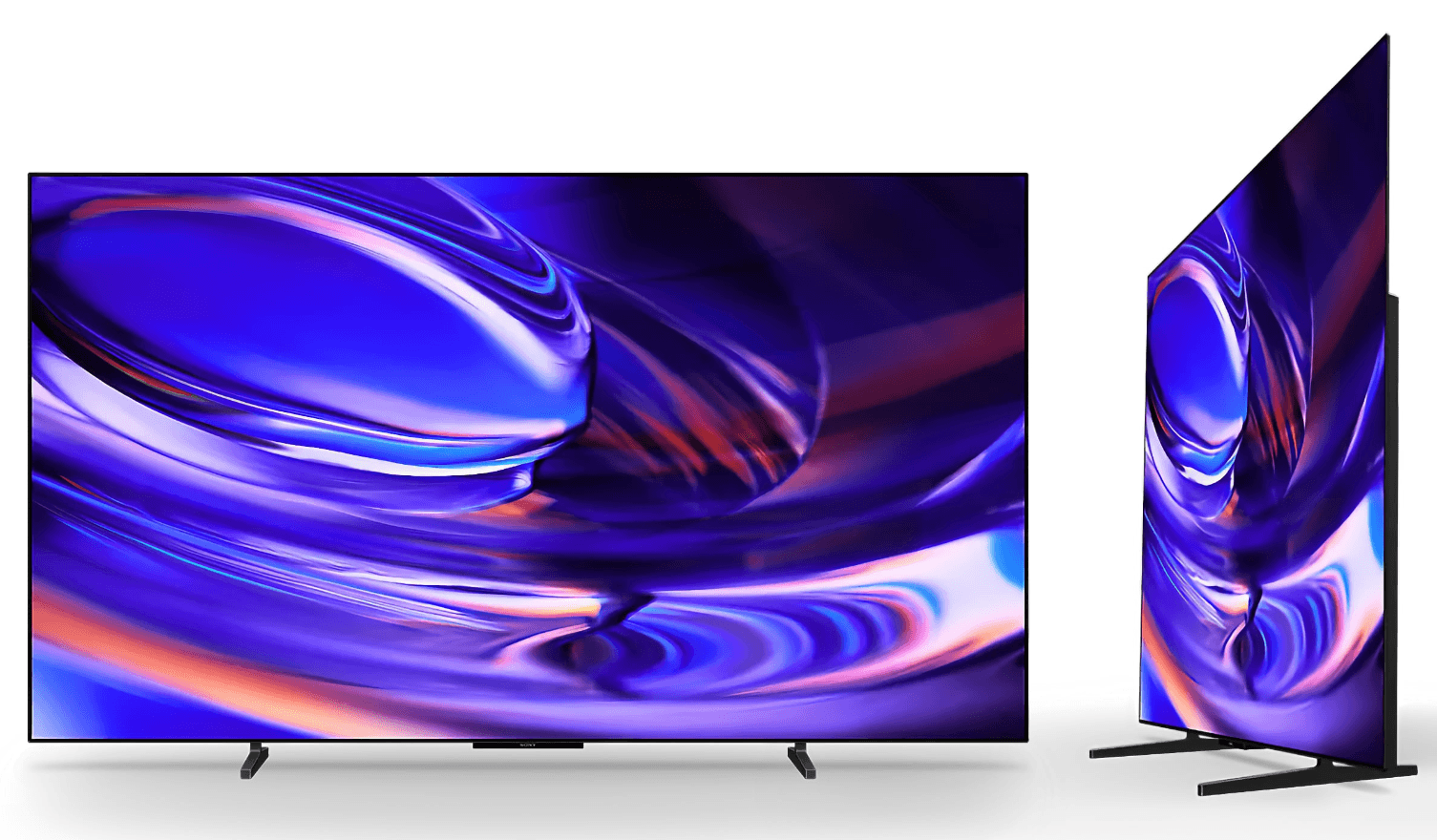
The fact that Sony was planning to add a new OLED TV to its 2026 TV lineup was one of the industry’s worst-kept secrets following a number of leaks that first popped up in July.
This week, the company finally confirmed that those rumours are true when it said the new Bravia 6 OLED TV is being added to its lineup, and for the first time in a long while, there’s an 83-inch model available, in addition to the smaller 48-, 55-, 65- and 77-inch versions.
Sony is using the slogan “OLED essentials, now within reach,” to advertise the Bravia 6 TV, and that makes sense, because it’s a lot more affordable than its flagship RGB LED TVs this year, and even its former high-end OLED TVs from earlier years. At least, that’s the case in the U.S. anyway, with Sony listing the following prices:
-- 48-inch: $1,300 (around £956)
-- 55-inch: $1,500 (£1,103)
-- 65-inch: $1,999 (£1,470)
-- 77-inch: $2,999 (£2,206)
-- 83-inch: $3,999 (£2,942)
The reason for these relatively cheap prices is that the Sony Bravia 6 is very much a mid-range TV. It’s fitted with a WOLED panel from LG Display, and though the company has not confirmed this, most believe that it is the new, more affordable OLED SE panel that was announced earlier this year, meaning it won’t quite hit the heights of the Primary Tandem OLED panels found in LG Electronics’s G6 OLED TV. But nonetheless, it should still have very high contrast and perfect blacks, along with decent brightness at around 1,000 nits.
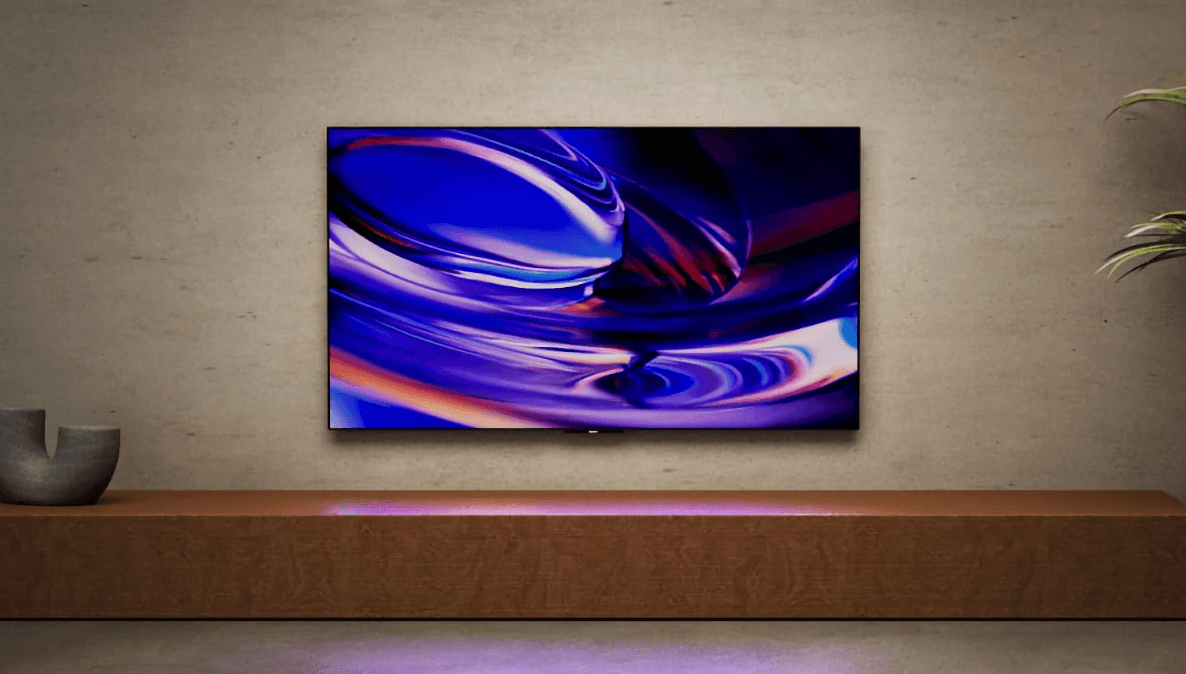
The OLED SE panels have a 120Hz refresh rate, but they cannot match Primary Tandem OLED’s and RGB LED’s performance in terms of colour accuracy and peak brightness. The Bravia 6 TV will set below the Sony Bravia 8 II OLED TV in the company’s lineup, with that older model being carried over from last year. It comes with a QD-OLED panel made by Samsung Display.
Sony fans will no doubt be pleased to see the 83-inch model, given that the company has not sold such a large OLED TV since the release of the Sony A80L back in 2023. The largest size of the current Bravia 8 II is 65-inches, while the original Bravia 8 (with a WOLED panel) maxed out at 77-inches.
Another pleasing thing about the Bravia 6 is that it comes with MediaTek’s latest Pentonic 800 chipset, which means it’s able to support four full-bandwidth HDMI 2.1 ports that can handle 4K/120Hz signals for games consoles such as the PlayStation 5 and Xbox Series X. That’s good, because it’s not the case with Sony’s higher-end “True RGB” models, the Bravia 9 II and the Bravia 7 II, which only have a pair of HDMI 2.1 ports. Other listed features including support for Dolby Vision (but not Dolby Vision 2, at least not yet, but the new chip does potentially allow for that), Dolby Atmos and DTS:X surround sound, VRR, ALLM and eARC.
As with the Bravia 9 II and the Bravia 7 II, the Bravia 6 runs the Google TV operating system. So you’ll get all of the major streaming apps, as well as Sony Pictures Core, which is exclusive to Sony TVs.
According to FlatpanelsHD, Sony also tried to address the rumours swirling around this year that it’s considering abandoning OLED display technology. Talk of such a move emerged when Sony revealed that it’s basically merging its TV business with TCL as of next year. TCL, of course, has never made an OLED TV, preferring to use its own Super Quantum Dot and RGB LED display technologies instead.
The theory is that TCL may force Sony to use its panels, which would mean no more OLED, but the Japanese firm denied that. “As Sony continues to innovate in picture and sound quality, the company remains committed to delivering a full lineup of televisions designed to meet a variety of viewing preferences and entertainment needs,” it said.
Admittedly, though, that’s not an outright denial that it won’t be abandoning OLED, and it’s also not a confirmation that it will definitely keep making OLED TVs in future. Perhaps the issue is still up in the air.
