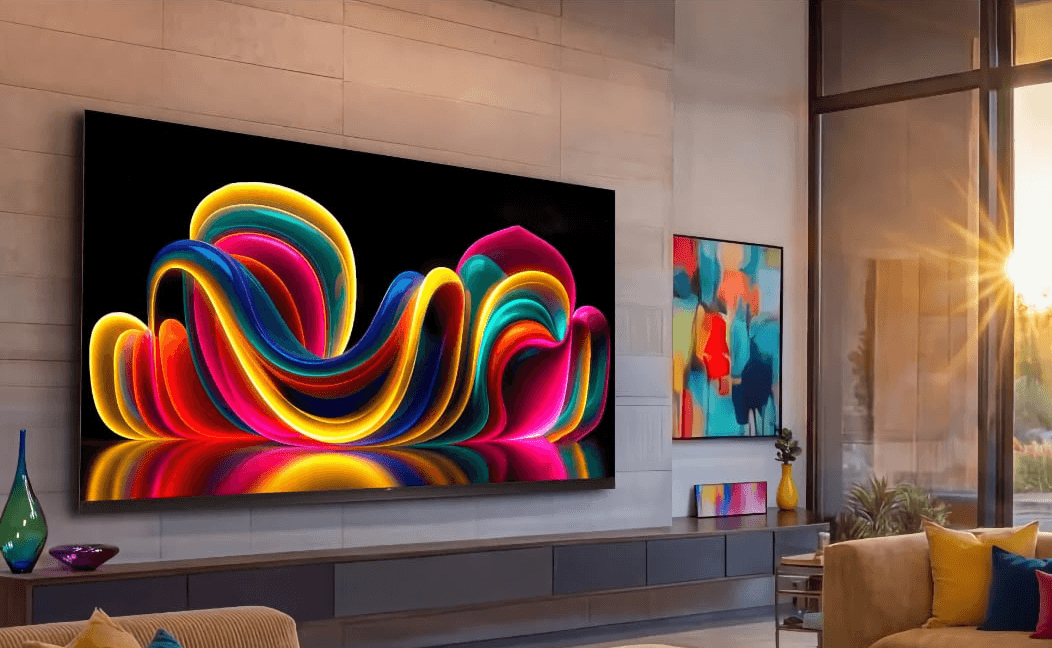
Just days after LG Electronics’ 2026 TVs started rolling out globally, TCL’s latest models are doing the same, with its SQD-miniLED and RGB LED televisions now available in physical retailers across the U.S., U.K. and Europe.
This year’s TCL lineup includes the flagship X11L with SQD-miniLED, followed by the C8L and C7L models with SQD technology, and the RM9L and RM7L TVs with RGB LED backlights. The new TCL P-series TVs, meanwhile, come with standard Mini-LED for the first time.
TCL is positioning SQD-miniLED as its best display technology this year, arguing that its Super Quantum Dots are superior to the RGB LED tech that’s found in other TV brands’ top-tier LCD models. The X11L TV is an absolute beast of a TV, with TCL claiming that it delivers an astonishing 10,000 nits brightness and 100% coverage of the BT.2020 colour gamut, with more than 20,000 local dimming zones in the panel ensuring stunning picture accuracy.
TCL believes its SQD tech surpasses RGB LED in terms of both brightness and colour depth. Whereas RGB LED TVs use separate red, green and blue LEDs in a backlight, TCL’s SQD implements a single-chip “pure white” light source that’s combined with a five-nanometre Super Quantum Dot filter, allowing it to deliver a broader spectrum of colour than RGB-LED, despite being much slimmer. This video by HDTVTest's chief reviewer Vincent Teoh explains why TCL thinks SQD is the top dog:
The TCL C8L and C7L TVs both feature SQD-miniLED panels too, and are the successor to last year’s C8K and C7K Mini-LED models. The C8L will be sold in a range of sizes, with the largest 98-inch model featuring 4,032 local dimming zones and around 6,000 nits of brightness, making it a very capable TV in its own right, even if it falls short of the X11L’s performance. It’s notably also one of the first TVs in the world to support the Dolby Vision 2 Max HDR standard, which will be enabled through a firmware upgrade. There are four HDMI 2.1 ports thanks to the inclusion of the Pentonic 800 chipset from MediaTek, and it has the same ZeroBorder display found on the X11L TV, which minimises the black space in between the active display and the bezel.
As for the C7L, this also features Super Quantum Dots and enhanced colour depth, though it doesn’t have the same WHVA LCD panel found on the C8L, which means it won’t have the same ultra-wide viewing angles as that model. It won’t get Dolby Vision 2 either, and it has viewer dimming zones, maxing out at 2,176 on the 98-inch version. Also, it will only have a couple of HDMI 2.1 ports. Despite this, the SQD panel should ensure its picture quality far surpasses that of similarly priced Mini-LED models from brands like Samsung and LG, especially given TCL’s aggressive pricing strategy.
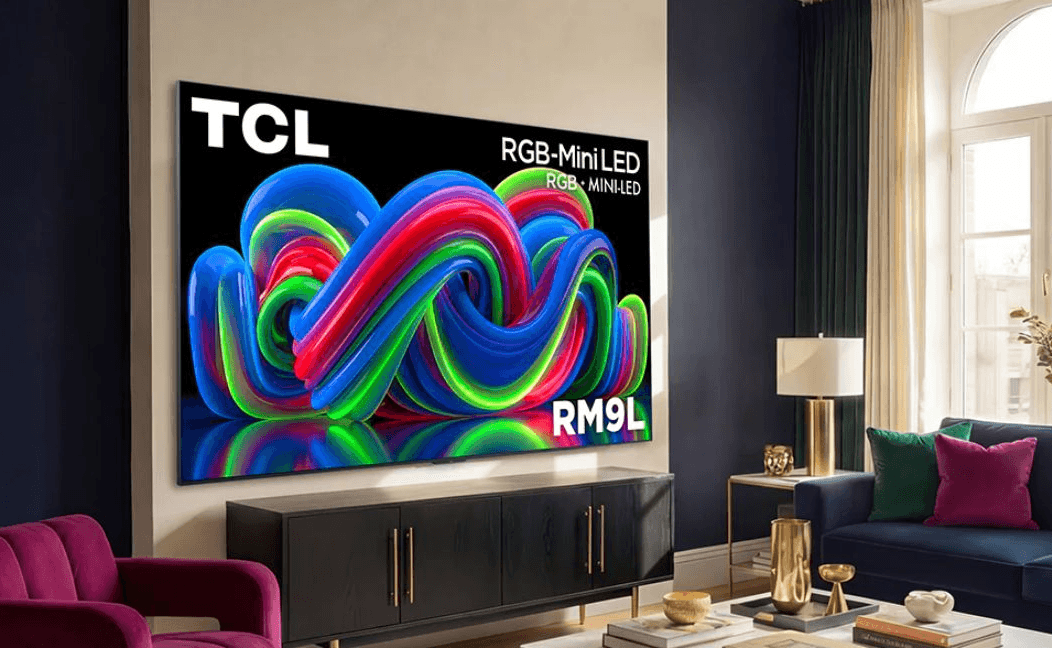
As for TCL’s RGB LED models, the top ranked model here is the new RM9L TV that was first announced at CES. There’s also a more affordable RM7L RGB miniLED model. The RM7L will have less dimming zones and lower brightness than the RM9L, but it will still match the 100% BT.2020 colour depth found on the higher-end model. However, neither the RM9L or RM7L will get support for Dolby Vision 2 – a decision likely taken to emphasize TCL’s stance that SQD is the superior technology. On the other hand, they will get regular Dolby Vision and they’ll also be available in bigger sizes, with the largest model being 115-inches.
TCL last year ranked as the world’s second-biggest TV maker, falling just short of Samsung in terms of total units shipped, and it has ambitions to surpass that company this year. Its 2026 lineup reflects a strategy that remains laser-focused on LCD panel technologies, rather than OLED, which it continues to shun.
However, this could well be the last year in which TCL neglects OLED, for this year its display-making subsidiary TCL CSOT is finally ramping up production of its own inkjet-printed OLED panels, albeit in smaller sizes first of all. TCL will also take control of Sony’s TV business from early next year, which has traditionally made some of the best OLED TVs money can buy, but it remains to be seen what the new TCL-led joint venture will come up with.
That said, TCL will likely continue to position LCD technology as it's finest, if its latest exhibit at this year's SID Display Week is anything to go by:
TCL’s 2026 models are widely available across the U.K., Europe and U.S. starting this month, but smart buyers will know that with a little patience usually always pays off, as the company tends to significantly reduce its prices towards the end of the year.
