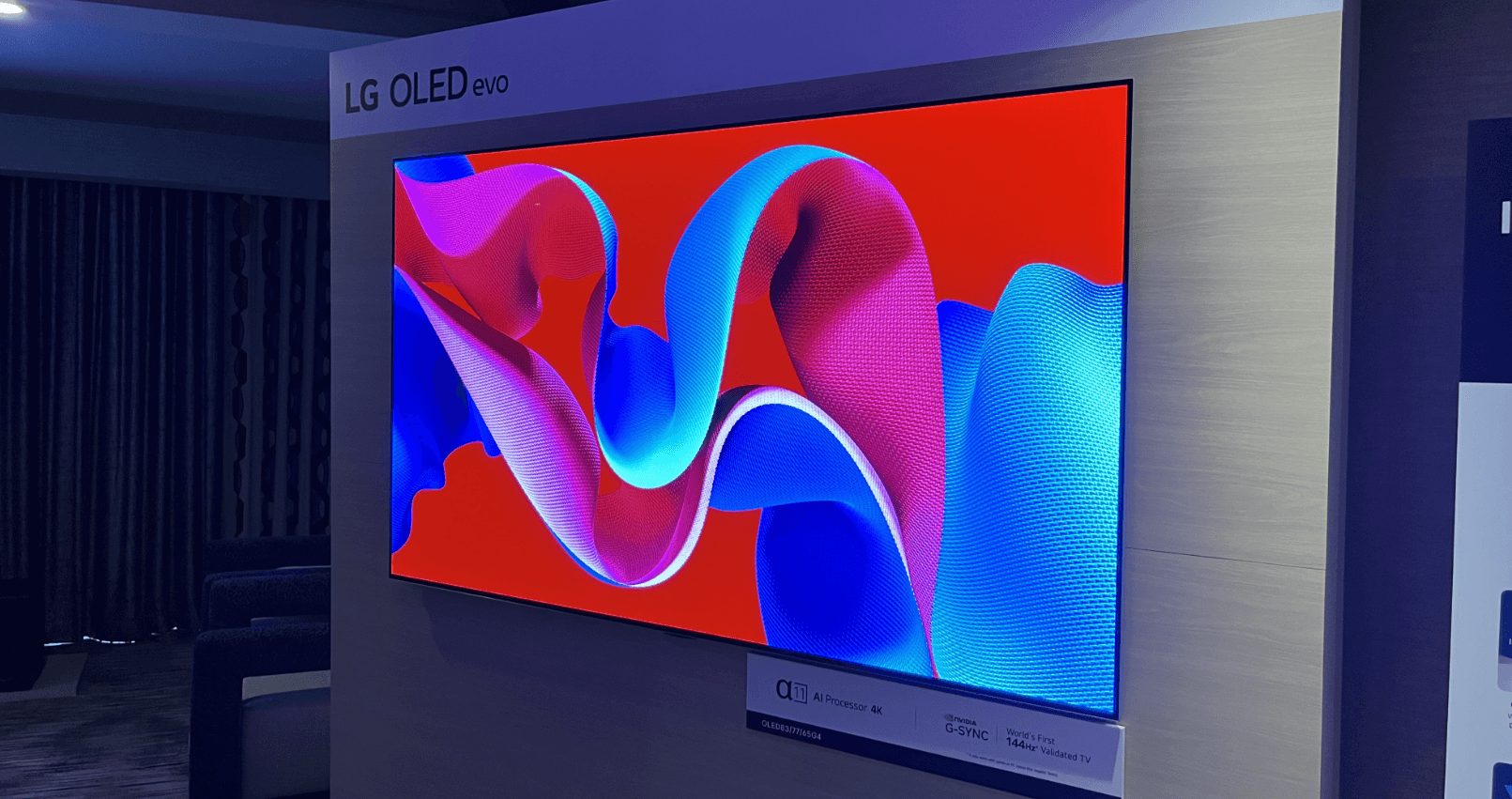
LG Electronics has angrily dismissed a report in Korean media that claimed it’s holding discussions with Hisense over a possible sale or spin-off of its TV business.
The original Korean language report by EBN has since been taken offline and replaced by a message that says it’s currently down while it’s being “reviewed” by an administrator.
In a statement to media, LG Electronics insisted that “these reports are groundless.” The company then issued a slightly longer and more insistent denial of the story to Android Authority: “LG Electronics would like to state that this news regarding the potential sales of its TV business is completely baseless and therefore entirely speculative and misleading.”
EBN’s original report cited an anonymous source who is apparently familiar with the company’s inner workings, saying that senior executives had flown to Beijing to meet with a high-profile delegation from Hisense. According to the source, the discussions revolved around the future of LG’s TV business, which produces some of the best OLED TVs money can buy. During the meeting, the possibility of Hisense buying LG’s TV business outright was mentioned.
LG’s rebuttal calls the report into question, but it doesn’t mean the talks didn’t happen. There could, or could not have been a meeting, and what was said during the hypothetical discussions may have been misreported. While the company’s rejection of the report is firm, it’s also true that big companies do sometimes tend to deny reports that later turn out to be accurate.
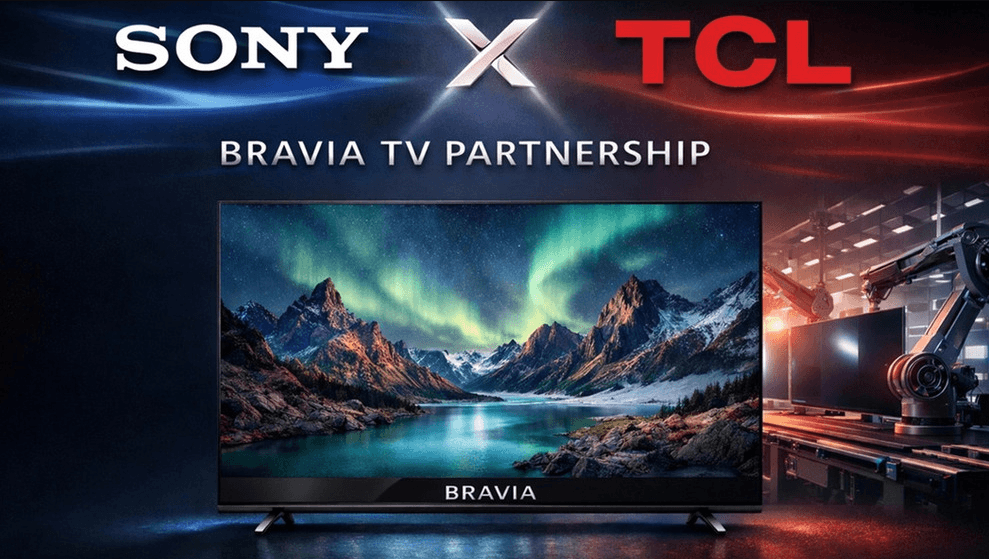
Should Hisense actually go ahead and buy LG’s TV business, it would be pretty shocking, but it’s definitely not without precedent. In fact, such acquisitions are becoming increasingly common in the TV business. Earlier this year, Sony revealed it’s creating a joint venture with TCL, with a 49%-51% ownership split in favor of the Chinese firm. The plan is for Sony to provide the world-renowned branding and technology edge that it’s known for, with TCL also lending some of its expertise, but mostly focusing on high-volume manufacturing and distribution.
It’s hoped that the Sony/TCL joint venture will continue to produce Sony TVs at the same high level the Japanese firm is known for, while simultaneously increasing its scale and perhaps, lowering the costs, at least of its mid-market TVs.
Meanwhile, Panasonic this year made a similar deal with Skyworth, another Chinese TV maker. That partnership appears to follow the same blueprint, with Panasonic providing the expertise and Skyworth handling the manufacturing, sales and marketing operations.
Panasonic was actually the last major Japanese TV brand to lose its independence, with names like Sharp, Toshiba and Pioneer having all long since exited the TV business. TVs carrying their names today are made under license by a variety of other manufacturers.
This trend isn’t limited to just Japan. Philips TVs have been made under license for years already, with TP Vision being the company responsible for its European operations, and making some very nice sets in recent years. Skyworth is the partner responsible for Philips TVs in the U.S., but it tends to focus on the lower end of the market.
We can see why Hisense might be interested in picking up a globally-renowned TV brand of its own, considering that both TCL and Skyworth have done so. Hisense, along with Xiaomi, is the major rival to those two companies in China’s domestic TV market, and it has a strong presence globally, with only TCL selling more TVs than it does. Hisense’s growth is driven by its ability to produce some very compelling higher-end televisions at much lower costs than rivals such as LG, Samsung Electronics and Sony, delivering a similar kind of experience for a lot less money. That’s why Hisense surpassed LG in premium TV sales last year.
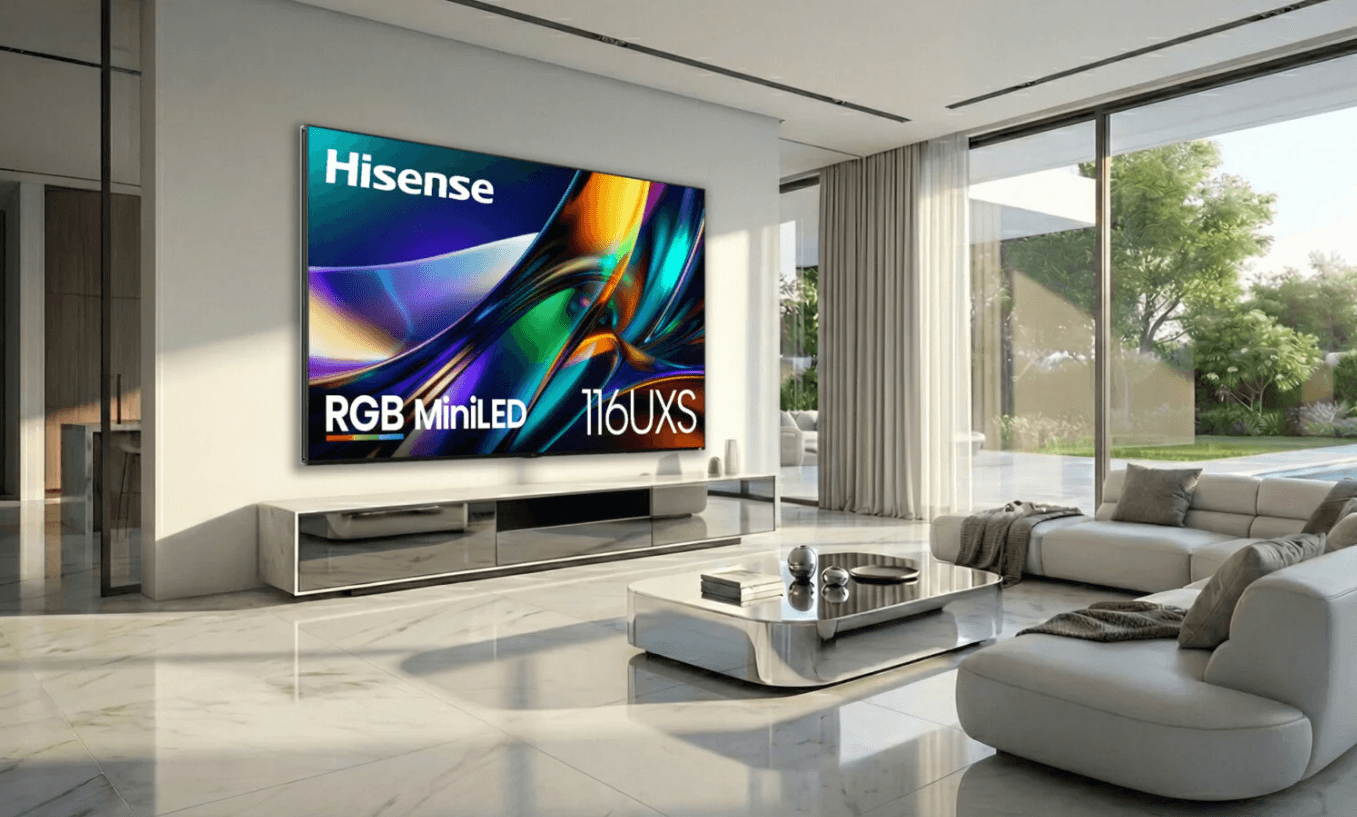
If – and we really do emphasize the “if” – Hisense was to buy LG’s TV business, the deal would likely be along the same lines as what TCL and Sony are doing. It would allow LG to achieve better economies of scale and potentially lower prices, while hopefully continuing to maintain the same high quality that it's known for. However, there would likely be considerable upset from fans of OLED TVs, especially considering that Hisense is not an especially big fan of the display technology popularised by LG, favouring technologies such as RGB LED instead. Sony TV lovers also have fears over what the TCL partnership means for Sony’s OLED TV line. Ominously, the company did not announce any new OLED TV sets this year.
Nevertheless, LG insists that the story is a load of baloney and there’s absolutely nothing to worry about.
